This content is not created to promote affiliate products or paid placements. Any monetization, when present, does not influence what we cover or how we review products.
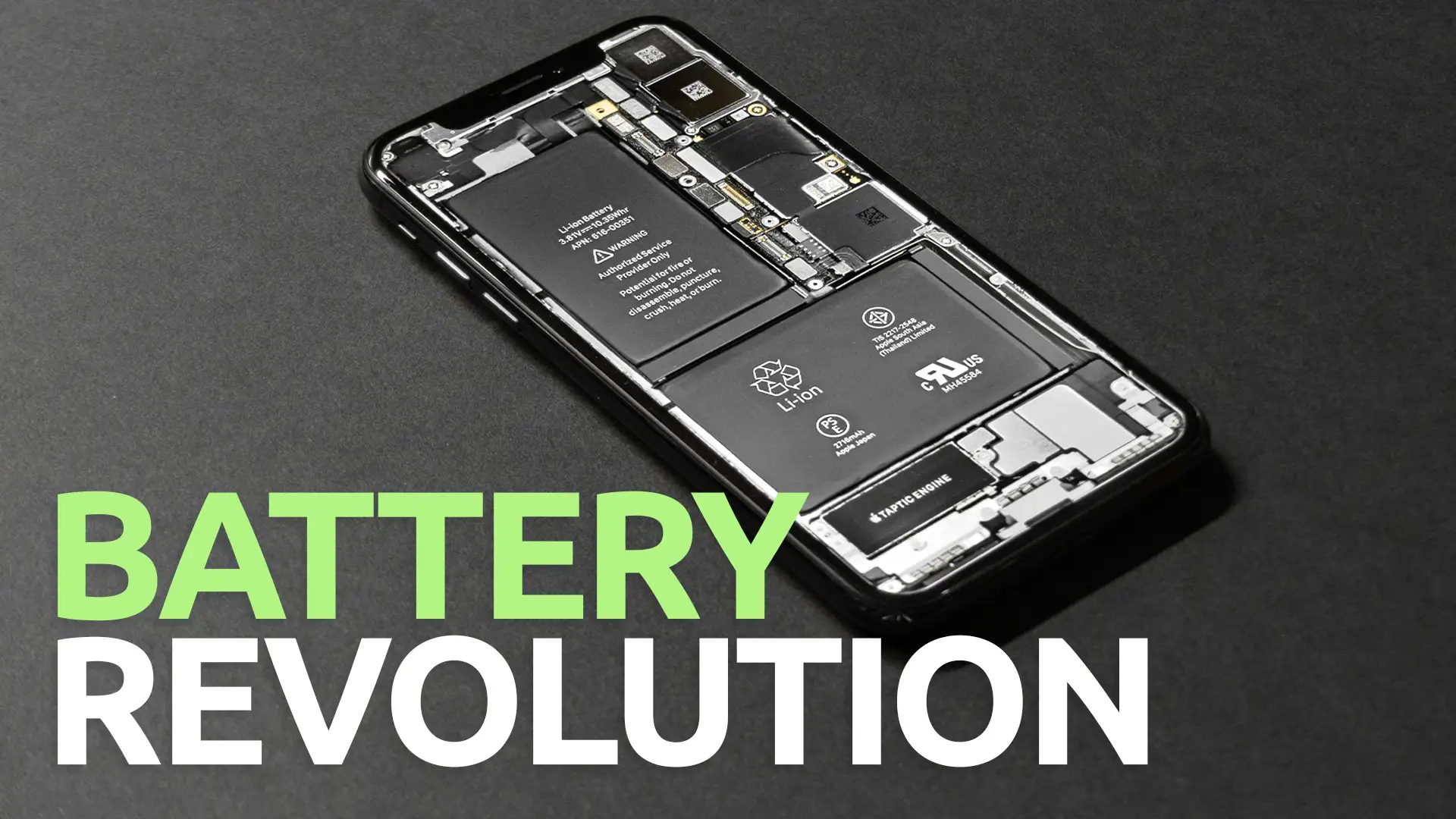
For years, lithium-ion batteries have been the heart of our smartphones. They’ve served us well, powering everything – from basic texting to 4K video recording and gaming. But they are far from perfect: batteries wear out over time, they don’t last as long as we’d like, and charging every night has become a ritual for most of us.
Manufacturers have found ways to stretch battery life with software optimizations, display innovations, and faster charging. Modern phones now use adaptive charging, which avoids overcharging the battery, and battery cycle life has also improved through the years.
But the future tech requires more. Here’s what can power up this battery revolution:
1. Silicon-Carbon Batteries
Already shipping in some flagship phones, silicon-carbon batteries are an exciting evolution of lithium-ion. By adding silicon to the anode, these batteries can store more energy in the same space. Phones like the Xiaomi 17 Pro and Huawei Mate XTs Ultimate already benefit from this, offering about 20% more capacity without being thicker or heavier. Expect more brands to adopt this soon – it’s an upgrade we’ll all notice in the next 12 months.
2. Solid-State Batteries
This is the holy grail of battery tech. Instead of a flammable liquid inside, solid-state batteries use a solid electrolyte. The benefits are massive: higher capacity, faster charging, more safety, and longer lifespan. Imagine charging your phone in 10 minutes or getting two days of power with ease. Some tech giants aim to bring these to market by 2027, so they’re not just science fiction – they’re on the horizon. Some rumors, for example, claim that Samsung is planning to use a solid-state battery for its Galaxy Ring 2 in 2026.
3. Sodium-Ion Batteries
Sodium-ion batteries swap lithium for sodium – yes, the same element found in table salt. Sodium is much more abundant and cheaper than lithium, making this tech far more sustainable. The tradeoff is slightly lower energy density, meaning phones may not run as long on a single charge yet. But as the tech develops, sodium-ion could be a low-cost, eco-friendly alternative for everyday smartphones. It just needs that capacity issue to be solved.
4. Lithium-Sulfur Batteries
By replacing expensive cobalt with sulfur, lithium-sulfur batteries promise cheaper, more energy-dense cells. They could offer longer runtimes while avoiding some of the ethical concerns of cobalt mining. The challenge? They currently degrade too quickly. Research is ongoing, and if solved, Li-S could be a game-changer.
5. Magnesium Batteries
Magnesium is cheaper, safer, and more abundant than lithium. Plus, each magnesium ion carries more charge, which could mean higher energy density. The current roadblock is making magnesium batteries work at higher voltages, but the potential is big. If breakthroughs happen, this could be another eco-friendly alternative.
6. Graphene Batteries
Graphene, a super-thin sheet of carbon, is incredibly conductive and strong. Graphene batteries could offer ultra-fast charging and light weight, with some prototypes already charging to 80% in under 10 minutes. While far from mass-market, graphene remains one of the most hyped materials in energy storage.
How Would Smartphones Benefit From New Battery Types?
Thanks to these new technologies, smartphones of the future could look and feel very different. Here’s what we can expect:
- Slimmer phones: More energy in smaller cells means less bulk, so designs can become slimmer than the iPhone Air.
- Multi-day battery life: Instead of charging daily, we might go two or three days between charges.
- Faster charging: A quick top-up while making coffee could give you a full day’s power. Isn’t that the dream?
- Longer lifespan: With batteries that survive thousands of cycles, your phone could stay fresh for years without a replacement.
- Safer devices: Solid-state and other new chemistries cut down the risk of overheating or fires.
- Eco-friendly designs: Cheaper, abundant, and recyclable materials could make batteries greener.
When Can We Expect the Battery Revolution?
The short answer: this decade. Some improvements, like silicon-carbon, are already in our pockets. Solid-state batteries are expected around 2027–2028 in high-end phones, while sodium-ion could arrive even sooner in budget or mid-range devices. By the early 2030s, it’s realistic to expect phones with multi-day battery life to charge in a matter of minutes.
The Bottom Line
The battery revolution is one of the most exciting tech developments – the new battery types could power up electric vehicles, smartphones, laptops, smartglasses, all kinds of IoT appliances, and whatever else you come up with, bringing us a truly wireless world we cannot completely imagine yet!
So, the next time you plug in your phone, imagine how soon this cable will disappear.
Don’t forget to check out some of these exciting articles:
- 10 Upcoming Smartphones in 2026 That Will Change The Game!
- 13 New Tech Gadgets Coming in 2026
- New Samsung Products Coming in 2026
- Exciting New Apple Products Coming in 2026
- How to Choose A Smartphone? All The Specs You Need To Know
Our Editorial Process
This article was created by the TrendsPlace editorial team.
We only use AI tools to assist with drafting and efficiency, while all content is researched, reviewed, edited, and finalized by humans to ensure accuracy and quality.
![Apple Comes With Tons of New Gadgets [New Macbooks, iPads, Studios, etc]](https://trendsplace.tech/wp-content/uploads/2026/03/new-apple-devices-spring-event.webp)