
This content is not created to promote affiliate products or paid placements. Any monetization, when present, does not influence what we cover or how we review products.
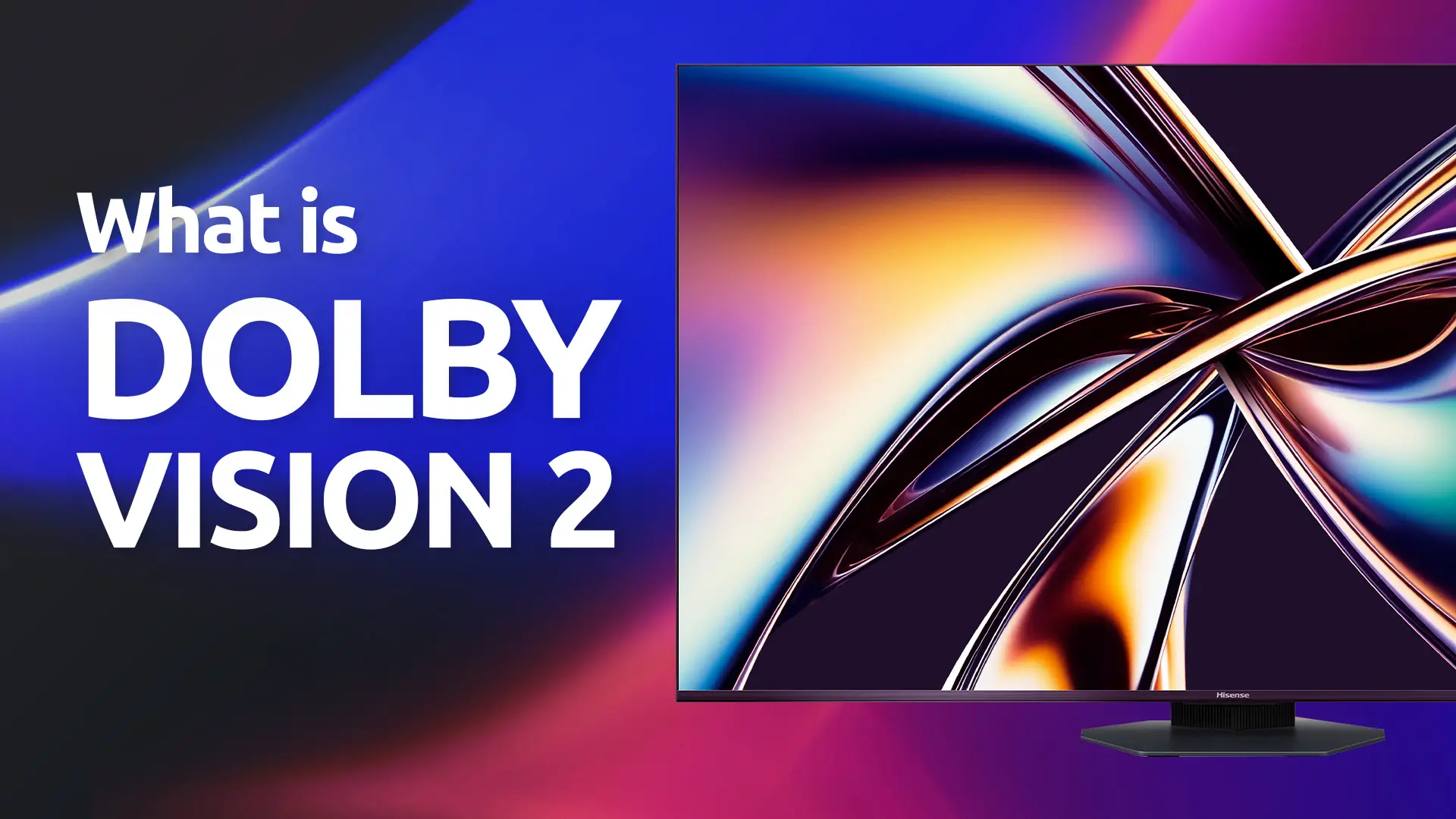
More than a decade ago, Dolby Vision changed the way we experienced movies and shows, pushing TVs into a new era of brightness, contrast, and cinematic detail. Just now, days before IFA Berlin 2025, Dolby announced Dolby Vision 2 – a major leap forward for the ultimate TV experience.
A New Engine for a New Era
At the heart of Dolby Vision 2 lies an all-new image engine. This updated core is designed to keep pace with today’s most advanced TV hardware and content creation tools. With 10 years of progress in display tech and AI, Dolby’s HDR platform is no longer just about tone and brightness control – it’s about intelligence (Of course, it’s all about AI now).
Content Intelligence, the foundation of Dolby Vision 2, is powered by AI, and it automatically adapts your TV’s picture based on three things:
- What you’re watching
- Where you’re watching
- What device you’re using
The goal is to act as a bridge between creative professionals and your living room, ensuring the picture you see is as close as possible to what the creators intended – only optimized for your specific environment.
Smarter Tools, Better Viewing
Dolby has packed Vision 2 with specialized features under the Content Intelligence umbrella:
Precision Black: Keeps darker scenes visible without washing them out – great for OLED lovers frustrated with murky night shots.
Light Sense: Detects ambient light in your room and adjusts picture settings on the fly, ensuring your TV looks great whether you’re in a bright living room or a dark apartment.
Sports & Gaming Optimization: Fine-tunes motion control and white point to handle fast-paced content, reducing blur and improving clarity for gamers and sports fans.
… and that’s just the beginning.
Authentic Motion & Bi-Directional Tone Mapping
One of the boldest claims Dolby makes about Vision 2 is that it goes beyond traditional HDR. Two standout features showcase this vision:
- Bi-Directional Tone Mapping
Let’s premium TVs push brightness, contrast, and color saturation to new levels—without breaking the creative intent. The idea is to fully exploit modern high-performance displays while still respecting the artistry of filmmakers.
- Authentic Motion
A first-of-its-kind, creative-driven motion control tool. Instead of the dreaded “soap opera effect,” this system lets creators manage motion smoothing shot by shot, keeping movies cinematic while still reducing judder where it makes sense.
Comes in Two Versions: Dolby Vision 2 & Dolby Vision 2 Max
Dolby isn’t treating every TV the same. The new standard comes in two tiers:
- Dolby Vision 2
For standard TVs, offering all the new core features of the Content Intelligence engine.
- Dolby Vision 2 Max
For flagship, high-performance TVs, unlocking advanced features like bi-directional tone mapping and Authentic Motion for enthusiasts who want the absolute best(and can afford it, of course).
This tiered system will make it easier for buyers to know what level of Dolby Vision their next TV actually supports.
Who’s First?
Dolby confirmed that Hisense will be the first brand to launch TVs with Dolby Vision 2, including its premium RGB-MiniLED models – this will happen at IFA 2025. On the content side, Canal+ is already on board, with plans to stream movies, shows, and live sports in the new format.
Apple is planning to release the next generation of Apple TV 4K really soon, and most likely, this will be one of the new features.
With more than 300+ TV models worldwide supporting regular Dolby Vision, it seems pretty obvious, the new technology will be one of the main new features TVs will offer in 2026 – expect a lot of these at CES 2026.
Why It Matters
TV technology has come a long way since 2014. Displays are brighter, faster, and smarter, and audiences expect cinema-quality visuals at home… and Dolby Vision 2 is built for this era.
If Dolby’s promises hold up, we’re looking at a standard that could redefine home cinema all over again – just as the original Dolby Vision did a decade ago.
Our Editorial Process
This article was created by the TrendsPlace editorial team.
We only use AI tools to assist with drafting and efficiency, while all content is researched, reviewed, edited, and finalized by humans to ensure accuracy and quality.