This content is not created to promote affiliate products or paid placements. Any monetization, when present, does not influence what we cover or how we review products.
If you’ve looked at upgrading your laptop, PC, or even buying a new phone lately, you may have noticed something frustrating – RAM and storage prices are going up fast. This isn’t a temporary blip or a seasonal fluctuation – it’s a result of big, industry-wide changes that are reshaping how memory is made, who it’s made for, and why consumers are no longer the priority.
Why are RAM prices increasing?
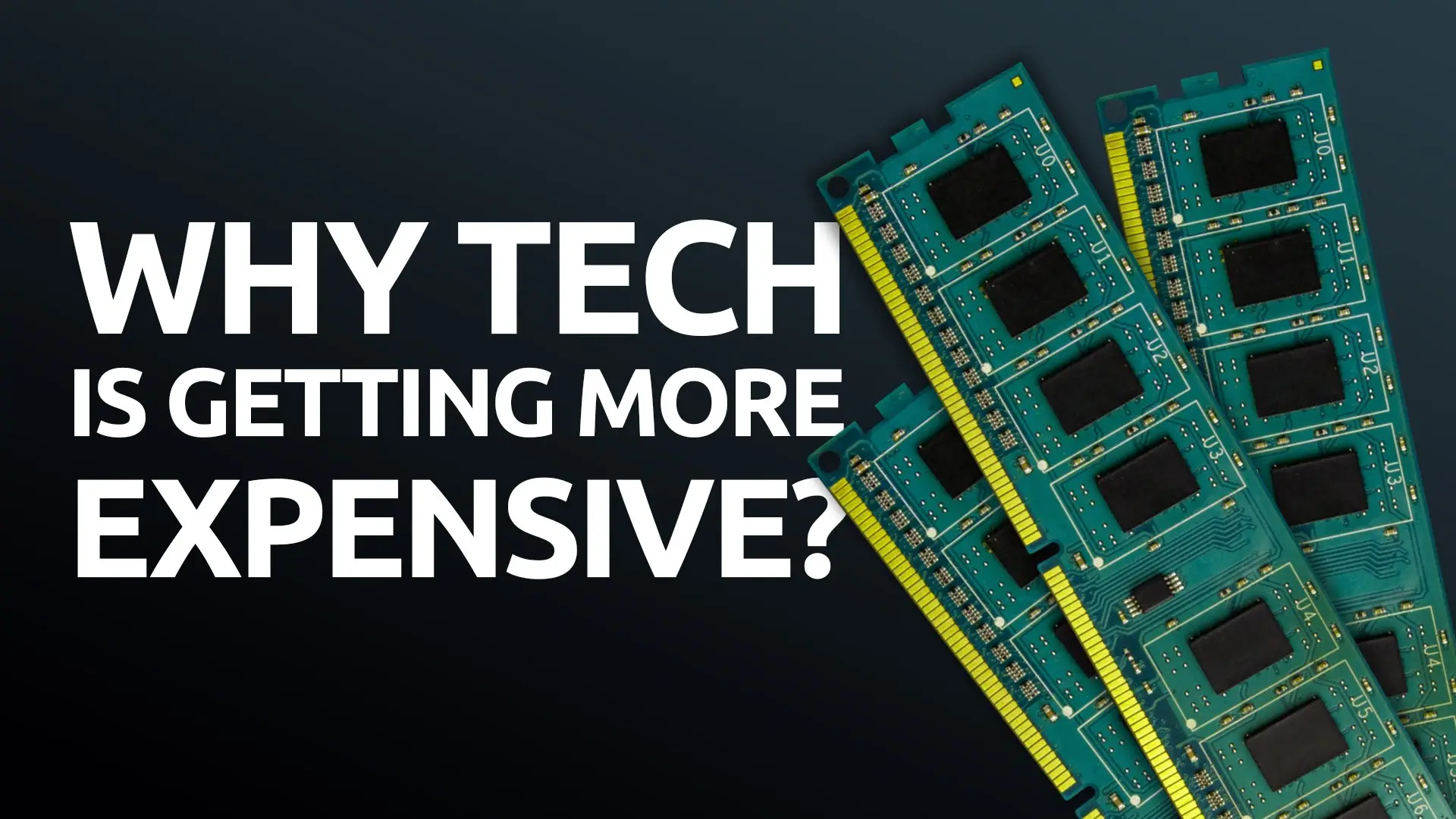
The biggest driver behind rising RAM prices is AI, and more specifically – the explosion of AI data centers. Companies building AI systems need enormous amounts of memory, both for short-term processing (RAM) and long-term storage (SSDs). The key problem is that AI servers and consumer devices use memory made in the same factories.
Memory manufacturers like Samsung, SK Hynix, and Micron are now prioritizing AI-focused products because they’re far more profitable. High-bandwidth memory (HBM) and server-grade DDR5 bring long-term contracts and better margins, so consumer RAM(DDR4, DDR5, and LPDDR) gets pushed aside. On top of that, older memory types like DDR4 are being phased out faster than demand is disappearing, creating shortages where prices should normally be falling.
The result? RAM prices have surged by hundreds of percent in some cases, and manufacturers themselves are warning that this is the worst memory crunch they’ve seen in decades.
Will other component prices also increase?
Unfortunately, yes. RAM doesn’t exist in isolation. SSDs are next, because they rely on NAND flash – which is also being diverted toward enterprise and AI use. Storage prices are already climbing after years of decline, and industry insiders warn this trend will accelerate through 2026.
GPUs are also being dragged into the crisis. Graphics cards rely on GDDR memory, which comes from the same manufacturers making AI-focused DRAM. As memory becomes scarcer, GPU makers are paying more – and that cost gets passed straight to consumers. Retailers are already reporting price increases on mid-range graphics cards, with more expected once current stock runs out.
How will this affect consumer tech?
This component shortage doesn’t stop at desktop PCs. Smartphones, laptops, tablets, and all kinds of tech devices will be affected. Phone makers are already expected to hold back RAM upgrades – meaning entry-level smartphones may stay at 4GB for years longer than planned, while laptops struggle to move beyond 8GB as a baseline.
So, how will this change smartphones and laptops?
- Next-gen tech (like laptops & phones) will get more expensive, or could offer less RAM than expected.
- AI features on-device may be limited to premium models
- Upgrades like extra RAM or SSD storage will cost significantly more
So, what devices will be affected?
- PCs & Laptops – CPUs, GPUs, RAM, and SSDs are all affected by higher manufacturing costs, especially with AI-focused hardware becoming standard. Expect premium laptops and gaming PCs to be the first to jump. Right now, we know that some of the new laptops will be priced 15-20% higher starting from the next deliveries.
- Smartphones and Tablets – Flagship phones will be hit hardest due to cutting-edge chipsets, advanced camera sensors, and AI processing. Mid-range phones may survive longer, but compromises are likely(smaller storage, lower RAM).
- Handheld Consoles, Game Consoles & Accessories – Devices that rely on laptop-class chips or custom silicon (gaming handhelds especially) will see price increases, as well as VR headsets and next-gen consoles.
- Smartwatches & Wearables – wearable devices may see a slight price increase, but they won’t be affected as severely as smartphones and laptops.
- Smart Home Devices – Yes, some smart home products will also get more expensive. Cameras, smart displays, hubs, routers, robot vacuums, and even smart locks depend on chips and sensors that are becoming pricier. Entry-level devices may stay cheap, but “AI-powered” models most likely won’t. As for bigger appliances such as smart fridges, smart dishwashers, and smart ovens, they won’t get affected as much, since their chips are just a small part of the total production cost.
- TVs & Displays – TVs and Monitors could also see a price increase – especially those with AI features.
- Networking Gear – Wi-Fi 7 routers, mesh systems, and enterprise-grade networking equipment are especially sensitive to semiconductor shortages and rising silicon costs – so these might also be affected in the near future.
- Cars & Electric Vehicles – Modern cars rely on hundreds of chips for infotainment, safety systems, autonomous features, and battery management. EVs and software-defined vehicles will see the biggest price pressure. Yet compared to the final car production cost, the increase won’t be so noticeable for the final user.
- And unfortunately, all kinds of digital services and software might get affected in the long term. From hosting services and design software to AI tools and marketing platforms. Yet, these will feel the new prices later on.
How long will this last?
Most analysts agree this isn’t a short-term problem. Building new memory factories takes years and billions of dollars, and AI demand shows no signs of slowing. Even optimistic forecasts suggest the shortage (and high prices) could last three to four years.
There is a chance that AI investment cools down in the future, which could flood the market with excess memory and push prices back down. But for now, memory manufacturers are being rewarded for focusing on AI, not consumers.
Conclusion
RAM has quietly gone from a cheap, forgettable component to a critical bottleneck for the entire tech industry. Prices are rising not because consumers suddenly need more memory, but because AI has reshaped who memory is made for. Until supply catches up or demand cools off, expect higher prices across PCs, laptops, smartphones, SSDs, and even graphics cards – and fewer “great value” upgrades along the way.
If you’re planning to upgrade your RAM or SSD, many industry insiders agree on one thing: waiting probably won’t make it cheaper.
Our Editorial Process
This article was created by the TrendsPlace editorial team.
We only use AI tools to assist with drafting and efficiency, while all content is researched, reviewed, edited, and finalized by humans to ensure accuracy and quality.

![Apple Comes With Tons of New Gadgets [New Macbooks, iPads, Studios, etc]](https://trendsplace.tech/wp-content/uploads/2026/03/new-apple-devices-spring-event.webp)