This content is not created to promote affiliate products or paid placements. Any monetization, when present, does not influence what we cover or how we review products.
Buying a smartphone can feel overwhelming with so many brands, specs, and price points. It’s easy to get lost in marketing jargon and endless options.
The good news is, once you know what to look for, picking the right phone becomes much simpler.
This guide will walk you through the key specs to understand, the types of smartphones for different needs, a quick look at all major brands, and I will try to answer all the questions you might ask to help you make the best choice.
1. Processor (CPU / Chipset)
The processor is the “brain” of your phone – it controls speed, multitasking, gaming, and AI features.
A high-end CPU will give you smooth gaming, advanced AI, and longer life for handling updates.
Mid-range CPUs are enough for everyday use without draining your wallet.
Popular Chipsets:
- Qualcomm Snapdragon 8-series
Flagship Android standard; great balance of power & efficiency. - Apple A-series (A17, A18)
Top-tier performance, optimized for iOS, unmatched longevity. Available only for iPhone. - Google Tensor (G4, G5)
Focused on AI, machine learning, and camera processing rather than raw power. It Google-customized chipset, which is available only on Google Pixel devices. - MediaTek Dimensity 8000/9000 series
Affordable alternatives that now rival Snapdragon in the mid-to-high range. - Exynos (Samsung)
Samsung’s developed alternatives to Snapdragon. It is used in some regions and some models.
2. RAM (Memory)
Simply said, it determines how many apps you can keep open without slowdowns.
- 4–6GB (Budget)
Basic use, social apps, light multitasking. - 8–12GB (Mid-range)
Smooth experience for most people, it’s also enough for gaming and media(in most cases). - 12GB+ (Flagship)
For high-end gaming & heavy multitasking.
3. Storage
Storage is the space you can use to store all kinds of data – images, apps, videos, etc.
- 64GB – You can still find 64GB storage space in some low-budget phones.
- 128GB – 128GB space becomes the minimum for most users nowadays.
- 256GB – This one is enough for people who like to shoot videos and photos.
- 512GB – 1TB – 512GB storage or more is needed for pros, gamers, and creators shooting 4K/8K video.
4. Display
The display of the smartphone is the way you interact with it. It can really change the experience!
Display Size
- 6.1–6.8 inches is the standard.
- You can find bigger ones, but most people feel it is uncomfortable to hold.
- Smaller smartphones are rare to find – the main players don’t offer many options.
Resolution
- FHD+ (1080p class)
Good enough for daily use & simple gaming. - QHD+ (1440p+)
Used more in flagship displays. Amazing image quality and better experience.
Refresh Rate:
- 60Hz
Old standard. Most phones, even low-budget ones, often come with at least a 90Hz refresh rate. - 90Hz / 120Hz
Smooth scrolling, gaming, animations. - 144Hz+
Premium gaming phones.
Display Type
- AMOLED/OLED
OLED and AMOLED displays are popular with their vibrant colors, true blacks, and power efficiency. - LTPO OLED
These OLED displays come with an adaptive refresh rate, which saves a lot of battery consumption. - LCD
LCD is mostly used in budget models. It doesn’t have that good contrast as OLED displays.
5. Cameras
Don’t get fooled by megapixels alone! When comparing smartphone cameras, there are a lot of things to keep in mind – types of cameras, aperture, sensor size, and how the software processes an image. So, let’s first talk about the cameras a phone usually has:
- Main Camera
The main camera is the standard one for taking images. - Ultra-wide Camera
Designed for landscapes and group shots. - Telephoto/Periscope Camera
Used for optical zoom – it’s usually available in mid to high-end models. - Selfie camera
A good selfie camera is usually about 12MP or above with a good aperture.
Megapixels
A megapixel (MP) equals 1 million pixels — the tiny dots that make up an image. More megapixels means more detail in the image… but only to a point. A 12MP high-quality sensor can outperform a cheap 50MP sensor if it has better optics and image processing. So, more pixels don’t mean better images in most cases.
Aperture
Aperture is the opening in the lens that lets light hit the sensor. It is measured in f-numbers (f/1.6, f/2.0, etc), where a lower number means more light coming in, which means better photos.
So a camera with an f/1.6 aperture is better than a camera with an f/2.8, especially in night photography.
Sensor Size
The sensor is the physical chip that captures light. Size is usually expressed in inches (e.g., 1/1.28″, 1″).
Larger sensors = more surface area to capture light → better detail, dynamic range, and low-light performance.
Image Processing
Unfortunately, in reality, it’s hard to say that a camera is better simply based on specs, because there is something hard to compare – image processing. This is how the software of your phone understands the provided info from the sensor. You might see cameras with lower specs make more beautiful images than smartphones with great cameras on paper.
And my advice is – if the phone’s camera is important for you, then watch some reviews about testing smartphone cameras, so you can make sure the camera is good enough for you.
6. Battery & Charging
All models come in with different battery sizes. It is one of the most important features of a smartphone you should look for when choosing one.
Battery Capacity:
- 3,500 mAh is around the minimum battery size you can find on a smartphone today.
- 4500-5000mAh is the standard battery size. Such a battery will handle a lot of tasks and screen time all day long.
- 6000mAh+ – It’s still rare, but there are smartphones with over 6,000mAh batteries. These phones are designed for people who don’t want to charge their phones every day. But keep in mind that a bigger battery means a bulkier phone.
- Charging Speed:
30–45W – Mid-range fast charging
65–100W – Premium fast charging (full charge in minutes)
150W+ – Can be found in experimental phones and in a few gaming phones - Wireless Charging: A Common feature in flagships. Often between 15–50W
- Reverse Charging: Some phones can charge other devices wirelessly, such as earbuds
7. Connectivity
- 5G – It has already become a standard, and all models support it.
- Wi-Fi 6E / Wi-Fi 7: Flagships now support Wi-Fi 7 for blazing-fast home internet (Of course, you would need a proper setup in your home).
- Bluetooth 5.3 / LE Audio: It’s good for battery efficiency, and comes with better audio if you are using earbuds.
- Satellite Connectivity: Emergency texting and SOS. If you are going on adventures, this might be a really useful feature.
8. Durability
IP Ratings used in most smartphones:
- IP53 – Light splash and limited dust protection
- IP67 – Dustproof + water resistant up to 1m for 30 min
- IP68 – Dustproof + water resistant up to 1.5–6m for 30 min (most modern flagships)
- IP69K – Extreme resistance against jets and heat (seen on rugged phones like Doogee or CAT)
Screen Protection
Usually, the better the budget, the better the screen protection. If you need good screen protection, look for Gorilla Glass Victus 2, Ceramic Shield, or Sapphire glass.
Foldables
If you are looking for a Fold or flip phone, make sure to check hinge durability and crease resistance.
9. Software Support
This is something most people don’t look at since most change their phones every 2-3 years. But if you are planning to get a phone for the next 4-5 years, then you should look at the promised updates the phone comes with.
- Apple: 6–7 years of iOS updates.
- Google Pixel: 7 years of updates.
- Samsung: 7 years of updates years security patches.
- OnePlus/Oppo/Vivo/Xiaomi: Usually 3–4 years of major updates.
- Budget Brands: 1–2 years, sometimes less.
Types of Smartphones (Choose by Your Needs)
Not every smartphone is built for the same user. Primarily, based on the limited space a smartphone has, it is impossible to combine the best camera, battery, chipset, cooling, etc, in one device, and even if someone achieves that, the price would be shocking. So the smartphones are made for different needs – for photography, for big battery life, for gaming, etc.
For Photography Lovers
They often come with a large main sensor (ideally 1-inch), multiple lenses (wide + ultra-wide + telephoto), advanced image processing, and strong low-light performance. Look for large sensor size, optical zoom (5x–10x), and AI camera software.
For Big Battery Life
These phones offer 5000–6000mAh battery, efficient processor, optimized software, and in most cases fast charging (30W–100W). Look for phones with an adaptive refresh rate, as it additionally saves power.
For Gaming
The key specs for a gaming smartphone are a high-end chipset (Usually Snapdragon 8 series), 12GB+ RAM, an advanced cooling system, and a 144Hz+ display. Most of them also offer a big battery with ultra-fast charging. When choosing, look for phones with vapor chamber cooling.
For Kids
When choosing a smartphone for your child, make sure it is more durable, has IP68 water/dust resistance, and a reinforced/rugged frame.
For Budget Users
The budget smartphones come with plenty of compromises, but they keep the features up and running. You will find a decent camera, a decent battery, and a chipset enough for most use cases.
For Business & Productivity
Smartphones for business and productivity offer bigger displays, stylus support in most cases, and bigger RAM to handle app multitasking. Look for software features like split-screen multitasking and secure file management.
For Innovation Lovers
Through the years, we saw multiple innovative devices that focused on crazy features like a second display on the back, a projector, a health sensor for your food, and so on. These devices are made to try a new niche, and for people looking for something new, innovative, and fresh. This smartphone category usually offers more budget hardware combined with an innovative feature, placing the smartphone in a bigger price segment.
Current Smartphone Brands
Here’s a quick rundown of the major brands you might see on the market:
- Apple (United States)
The iPhone giant, famous for its premium ecosystem and iconic design. - Google (United States)
A line of clean-Android flagship phones focused on AI and camera innovation. - Samsung (South Korea)
The world’s largest smartphone maker with a range from foldables to entry-level Galaxy devices. - Sony (Japan)
Premium Android phones known for camera tech and high-end displays. - OnePlus (China)
BBK’s “flagship killer,” now offering both premium and mid-tier phones. - Honor (China)
Spun off from Huawei, now thriving independently with competitive mid-range and flagship devices. - Xiaomi (China)
A global powerhouse offering everything from budget Redmi to premium Xiaomi 14 Ultra. - HMD Global (Finland)
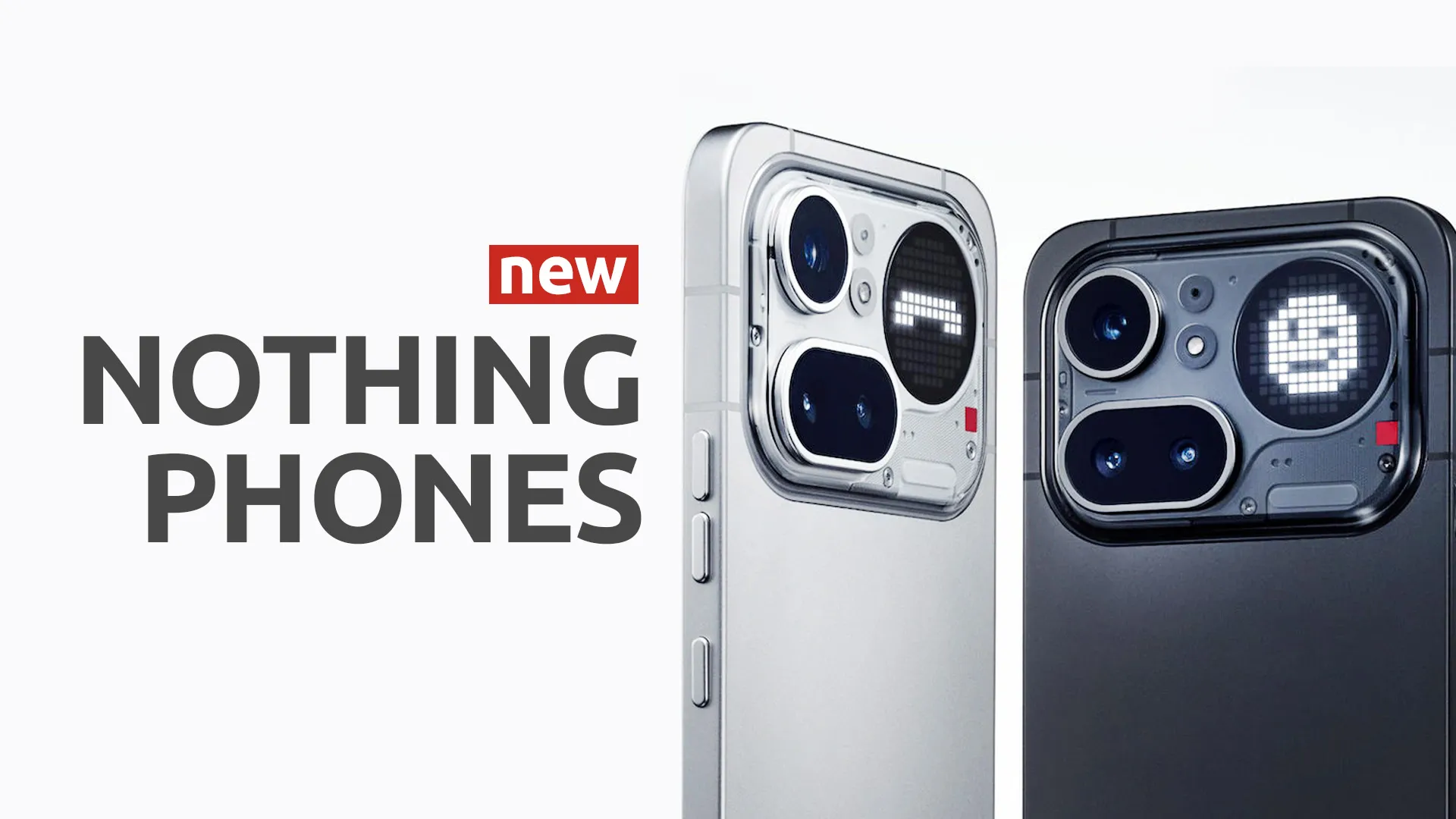
Revives the Nokia name with Android devices, now also building “HMD”-branded phones. - Nothing (UK)
A trendy London-based company famous for its transparent design and distinct UI. - Redmi (China)
Another Xiaomi sub-brand, focusing on affordability with strong specs. - Oppo (China)
Part of BBK, known for sleek design, fast charging, and camera innovation. - Vivo (China)
BBK brand excelling in audio, camera, and stylish mid-range models. - Fairphone (Netherlands)
Sustainability-focused brand making ethical, repairable smartphones. - Realme (China)
A fast-growing BBK spinoff targeting younger markets with affordable innovation. - Huawei (China)
Despite sanctions, still a strong force with cutting-edge hardware and HarmonyOS. - Bullitt Group – CAT, Motorola Defy rugged line, Land Rover Explore (UK)
Specializes in rugged and durable smartphones, often under licensed brand names. - Poco (China)
Xiaomi’s sub-brand is aimed at young users seeking performance at lower prices. - Crosscall (France)
Focused on rugged, outdoor-friendly smartphones. - Meizu (China)
Once fading, now revived under Geely ownership with flagship ambitions. - Transsion Holdings – Tecno, Infinix, itel (China)
Hugely popular in Africa and Asia with budget-friendly, locally tailored devices. - Sharp (Japan)
Focuses on Japan with compact, display-centered smartphones. - Kyocera (Japan)
Produces durable, rugged smartphones mostly for niche and enterprise markets. - Lava (India)
Long-standing Indian brand making affordable smartphones. - iQOO (China)
BBK sub-brand emphasizing gaming and performance. - Micromax (India)
Once dominant, now attempting a revival with budget Android devices. - Karbonn (India)
Small local brand focusing on entry-level phones. - ZTE (China)
Veteran Chinese brand producing both mainstream and niche devices. - LG (exited in 2021) (South Korea)
No longer active, but historically a key innovator. There are rumors suggesting LG might enter the smartphone market again soon.
Common questions about smartphones:
1. Is there a real difference between low-budget and high-end smartphones?
Yes. Budget phones cover the basics (social apps, calls, browsing), while high-end models add faster processors, better cameras, premium displays, faster charging, and usually 5+ years of updates. Yet, for people who only use a smartphone for browsing and social media, a low-budget phone will do the work.
2. How much is a smartphone really worth?
The production cost is often far less than the retail price. Yet there are other expenses a company makes that are not calculated – these include development costs, marketing, distribution, and, of course, profit margin.
For example:
– iPhone 16 Pro Max is estimated to cost between $520–$560 to manufacture, but it sells for $1,199.
– Galaxy S25 Ultra costs roughly $650–$700 in parts and assembly, but retails for around $1,299.
3. What smartphone should I get for social media, browsing, and messages?
Almost any modern mid-range phone (around $300–$500) will do the work and will be fine for TikTok, Instagram, or WhatsApp. Look for:
- 6–8GB RAM
- 128GB storage
- Good front camera (for selfies/video calls)
- Decent battery (4500mAh+)
4. What is the most expensive smartphone in the world?
Luxury editions hold the crown! Devices like the Falcon Supernova iPhone 6 Pink Diamond (around $48 million) or the custom Caviar iPhones with gold, diamonds, or titanium. As for the most expensive regular retail phone, the Huawei Mate XT(the first mass-produced tri-fold phone) is the priciest, and it will cost you $,3600.
5. Why isn’t there innovation in the smartphone market?
There is innovation, but at a slower pace compared to the explosive early years (2007–2015).
Now improvements are incremental – better AI cameras, foldables, satellite connectivity, or faster charging.
The “wow factor” feels smaller only because today’s phones are already very mature and capable devices.
Yet, if you change a two-year-old flagman with the newest one, you will notice many improvements.
6. Does a flagship really worth it?
It depends.
- If you want the best cameras, longest updates, and premium design, yes.
- If you just want apps, social media, and casual use, a mid-range phone does 90% of what a flagship can (but at half the price).
7. How much should I spend on a new smartphone?
It all depends on your needs, but basically:
- $200–$300 – If you only use it for calls and some basic stuff.
- $400–$600 – if you use more of its features, like shooting some pictures from time to time, browsing regularly, and playing some basic games.
- $900–$1,300 -Good for more productivity, gaming, or high-quality photography. And of course, if you want to play with the latest innovations.
8. Is there a 6G smartphone?
No, 6G is still in development – expected first 6G Smartphones around 2030.
9. Is iPhone better than Android?
Neither is objectively “better” — it depends on your needs:
- iPhone
Apple iPhones are best for software support, ecosystem (Apple Watch, AirPods, Mac), and a consistent experience. Apple’s concept is to eliminate the effort and make everything as easy and convenient as possible in its closed ecosystem. - Android
Android, on the other hand, offers a wider choice of models, more hardware variety (foldables, gaming phones), bigger batteries, and faster charging – all depending on your needs. Android is also more customizable – you can get launchers, custom icons, and more – but it is not as optimized. Every brand modifies the system with its own apps and features(sometimes even duplicating included ones).
10. When do new smartphones come out?
- Apple iPhone: Every September.
- Samsung Galaxy S-series: Every January/February.
- Google Pixel: Every August
- Other brands vary – often 1–2 major releases per year.
11. When is the best time to buy a new smartphone?
- Right after launch? You’ll pay full price.
- 3–4 months later: Prices drop slightly, deals appear.
- Around Black Friday or seasonal sales: Best time for discounts.
- Best strategy: If you’re not chasing the latest model, buy last year’s flagship after the new one comes out.
Final Thoughts
Choosing a smartphone doesn’t have to be complicated – it’s about knowing what matters to you. Think about the most valuable features to you, then start chasing the right one. The best phone is the one that fits your lifestyle and budget, not necessarily the most expensive.
Here are some more articles on the topic:
- The Best Slim Smartphones To Get in 2026
- What Makes Foldable Phones so Expensive?
- 11 Best Phones To Get In 2026 For Every Need
- The Coolest E-Ink Smartphones You Can Actually Use
- The Next Smartphone Batteries Will Cause a Revolution!
Our Editorial Process
This article was created by the TrendsPlace editorial team.
We only use AI tools to assist with drafting and efficiency, while all content is researched, reviewed, edited, and finalized by humans to ensure accuracy and quality.
![Apple Comes With Tons of New Gadgets [New Macbooks, iPads, Studios, etc]](https://trendsplace.tech/wp-content/uploads/2026/03/new-apple-devices-spring-event.webp)