This content is not created to promote affiliate products or paid placements. Any monetization, when present, does not influence what we cover or how we review products.
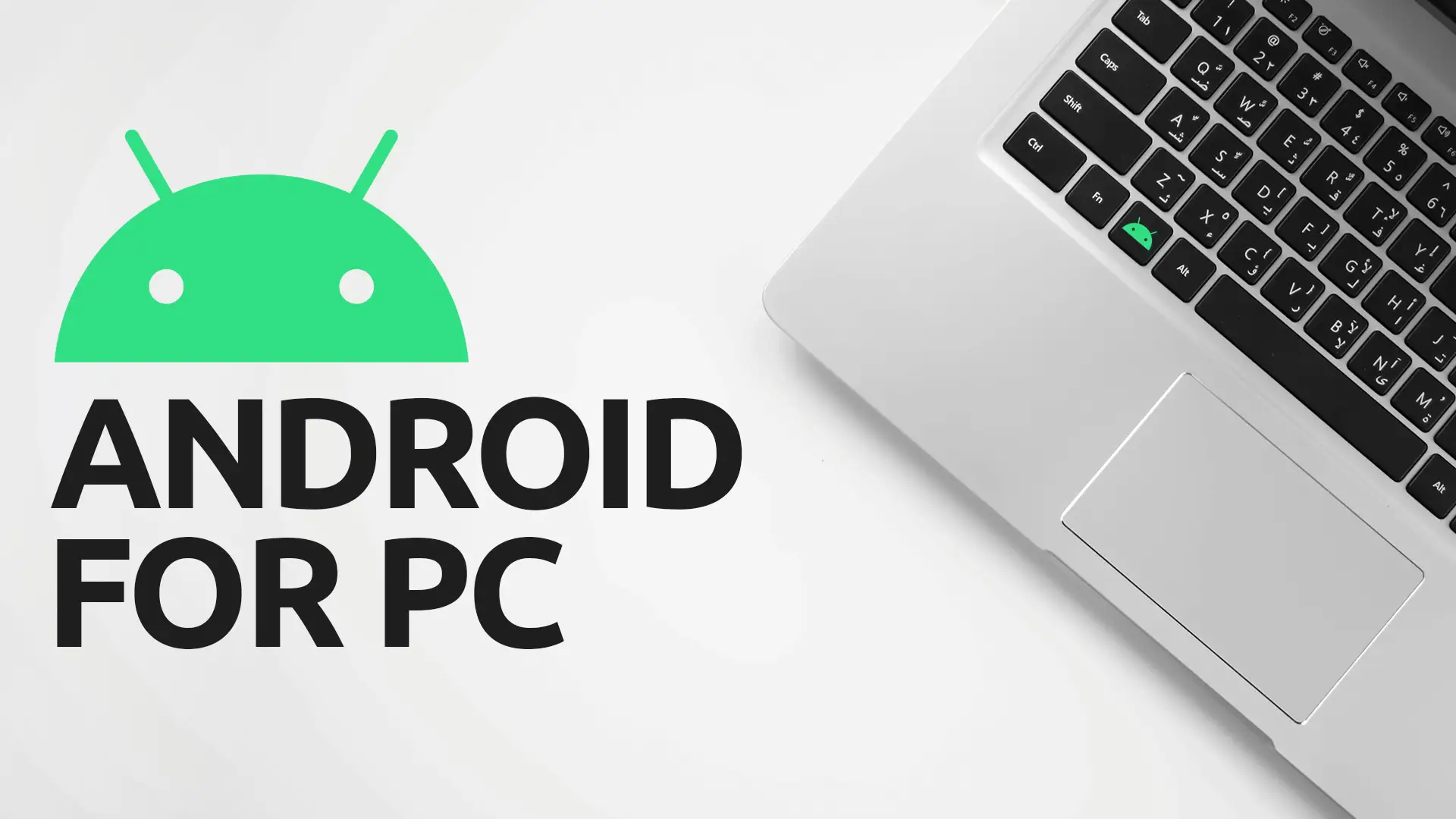
For years, the dream of having one device that works everywhere – from your pocket to your desk – felt just out of reach. Microsoft tried it and stumbled. Apple keeps its platforms strictly separated. But now, it looks like Google is finally ready to make it happen – by turning Android into a full desktop operating system.
Yes, you read that right. Google plans to bring Android PCs to the market, and it might be sooner than you think!
We are not speculating on running mobile apps on a bigger screen – the new OS is about creating a true bridge between your smartphone and your computer.
Why is desktop Android So Special?
During Qualcomm’s Snapdragon Summit in late 2025, Google confirmed that it’s working on a unified Android platform that will power not only phones but also laptops and desktop PCs. Qualcomm’s CEO, Cristiano Amon, even called it “the convergence of mobile and PC” – a vision that Microsoft once tried to achieve with Windows 10 and Continuum, but never quite nailed.
The idea is simple but powerful: your next laptop could run Android natively – complete with the Google Play Store, Android apps, AI tools, and seamless integration with your phone. It’s not just another ChromeOS experiment; it’s a complete rethinking of what a personal computer could be.
Qualcomm & Intel Are Both In
Initially, most people expected these Android PCs to be powered by Qualcomm’s ARM-based chips, the same kind that run high-end smartphones. But things got more interesting in October 2025, when Intel quietly updated its NPU drivers to include support for Android.
This means we’ll see Android PCs with both ARM and x86 processors – including upcoming Intel chips. In other words, Google isn’t limiting itself. It wants Android to run on almost anything – from ultralight notebooks to desktop rigs.
That’s huge news because it opens the door for manufacturers like HP, Dell, Lenovo, ASUS, etc, to release Android-powered PCs when the OS is announced.
What Makes Android PCs Different
The big difference this time? Google isn’t scaling down a desktop OS like Microsoft did. It’s scaling up a mobile one – and this completely changes the execution process.
Android already dominates the app world. With millions of apps and billions of familiar users, Google doesn’t need to convince thousands and millions of developers to jump on board – just to optimize their existing apps for bigger screens, and add keyboard and mouse support.
You’ll get all the familiar Android features – notifications, settings, Google Assistant, and even your favorite games – but in a full-fledged desktop layout that looks a lot like ChromeOS. And thanks to Google’s focus on AI integration, Android PCs will come ready to handle smart productivity features, from real-time translation to on-device creative tools.
What Features & Benefits Can You Expect?
Here’s where things get really exciting. Android PCs promise to deliver:
- Seamless Connection with Your Phone
Imagine picking up your work or chats exactly where you left off – no syncing, no logins, just instant continuity.
- Super-Fast, Power-Efficient Chips
Taking advantage of the latest chipsets by Intel and Qualcomm, Android for PC might be able to boost power efficiency to new levels.
- Access to Android Apps & Games
Every app you already love – from WhatsApp to Spotify to your favorite mobile games, all could run right on your Android laptop.
- AI-Powered Productivity
Google’s full AI stack will come baked in – from voice typing and easy search, to photo editing and AI rewrite tools.
- Lightweight OS
Android PCs are expected to boot faster, run cooler, and last far longer than Windows laptops of the same class.
Essentially, the idea is to have a laptop that behaves like your phone – familiar, fluid, and smart, while giving you all the advantages of a PC operating system.
A Challenge to Windows & macOS
For Microsoft, this is a real wake-up call. Windows 11 still carries decades of legacy code, making it bloated and slower compared to more modern systems. Android PCs could attract users who mainly use their laptops for web browsing, emails, streaming, and light office work – basically, most of us.
Meanwhile, Apple faces a different kind of problem. Its ecosystem is divided between iPhone, iPad, and Mac – three separate operating systems on nearly identical hardware. Android’s unified model might make that separation feel outdated.
If Google plays its cards right, Android PCs could become the go-to choice for everyday users who want simplicity, speed, and synchronization across devices.
When to Expect 1st Android PCs
Google’s first Android-based notebooks are expected to hit the market by the end of 2026. Both Qualcomm and Intel are preparing their chips for it, and first prototypes might be shown off as soon as January at CES 2026 or in the summer at Google I/O.
The first generation will likely focus on ultralight laptops – think sleek, fast, all-day devices, before expanding into desktops and hybrid form factors later on.
What Could Go Wrong
Let’s be honest – Google has had its share of misfires. Stadia, Google+, Google Nexus, or Google Glass projects, for example, stumbled not because of poor tech, but because Google didn’t execute them right.
If Android PCs are going to succeed, Google needs to market them as something new and practical, not just “another Chromebook”. If Google nails that pitch, the Android PC might just be the first true realization of the all-in-one computing dream.
The Bottom Line
The upcoming Android PC revolution isn’t just about laptops – it’s about breaking down the walls between your devices. With Android running seamlessly across phones, tablets, and PCs, your digital life could finally feel unified and effortless.
So, when Android PCs arrive in 2026, don’t think of them as just another category. Think of them as the next chapter in computing – where your pocket-sized phone becomes the heart of your entire digital world. Still – wait a bit for some reviews, before jumping on board.
Looking for more exciting new tech? Here are some related articles you may like:
- 5 Fold & Dual Display Laptops You Can Get Now
- 10 Upcoming Smartphones in 2026 That Will Change The Game!
- The Next Smartphone Batteries Will Cause a Revolution!
- 16 Smart Tech Gadgets You Didn’t Know Exist
Our Editorial Process
This article was created by the TrendsPlace editorial team.
We only use AI tools to assist with drafting and efficiency, while all content is researched, reviewed, edited, and finalized by humans to ensure accuracy and quality.
![Apple Comes With Tons of New Gadgets [New Macbooks, iPads, Studios, etc]](https://trendsplace.tech/wp-content/uploads/2026/03/new-apple-devices-spring-event.webp)