This content is not created to promote affiliate products or paid placements. Any monetization, when present, does not influence what we cover or how we review products.
CES 2026 is back, and it’s towering over everything we thought we knew about consumer tech. From ultra-slim TVs that look like sci-fi props, to humanoid robots that can fold your laundry, and robots that patrol every inch of your backyard – this year’s innovations and new gadgets are bigger, smarter, and more ambitious than ever.
Whether you’re a tech enthusiast, a smart home fanatic, or just someone who loves jaw-dropping innovation, these innovative new devices promise to reshape the way we live, work, and play. Here’s a look at some of the standout announcements at CES 2026 and the bold ideas behind them:
Samsung • Roborock • LG • Lenovo • Motorola • Withings • Clicks • Anker • LEGO • Garmin • Lockly • Govee • Nvidia • AMD • Switchbot • Dell • Alienware • Ohsnap • Mammotion • XGIMI • HP • NAOX • Vivoo • Rokid • Dreamie • Aiper • Hisense • TCL • Asus • Fraimic • Sweekar • L’Oreal • Plaud • Acer • MSI • Infinix • IKEA • Razer • WheelMove • TDM • Pebble • SKWheel • Displace • SunLED Life Science • Doublepoint • NuraLogix • AI Barmen • Chamelo • Haining Toall • Dreame • Ecovacs
Samsung at CES’26
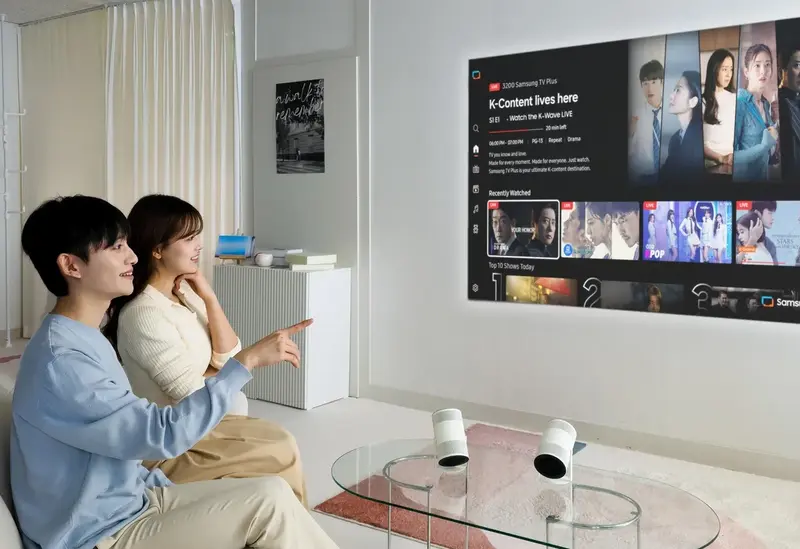
The Freestyle+ – A brighter upgrade for the portable projector with 430 ISO lumens, smarter AI OptiScreen features (like auto keystone, focus, wall calibration), 180-degree rotation, 360-degree audio, and Q-Symphony support for Samsung soundbars. Launching globally in the first half of 2026.
Micro RGB TVs – Samsung is making its ultra-premium Micro RGB tech more realistic with 55, 65, and 75-inch models, plus massive 85-, 100-, and 115-inch options. These new flagship TVs promise 100% Rec.2020 color coverage, beating even top-tier OLEDs. Smaller sizes should be far cheaper than last year’s $30,000 115-inch model, yet the pricing was not mentioned.
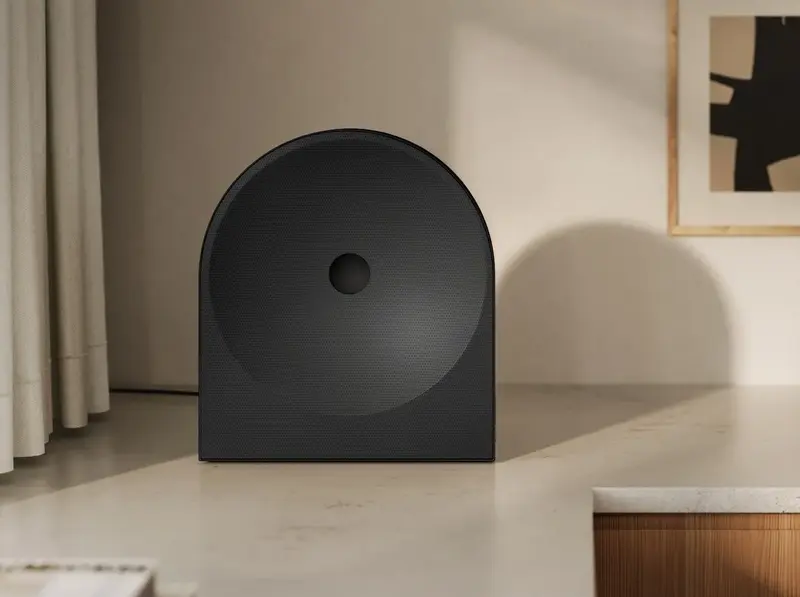
Studio 5 & Studio 7 Speakers – New wireless speakers with Bluetooth and Wi-Fi. Studio 5 uses a 4-inch woofer and dual tweeters, while Studio 7 adds a 3.1.1 immersive 3D audio setup. The standout here is the bold, design-first look.
HW-QS90H Soundbar – A newly spotted all-in-one 7.1.2 soundbar with 13 drivers and a built-in Quad Bass Woofer system, designed for people who don’t want a separate subwoofer taking up space.
New AI Features – Samsung doubled down on AI demos, showing features like AI noise control for sports, AI-powered recipe assistance on smart fridges, smarter laundry cycles, and Vision AI integrations across displays. We will learn more in the upcoming weeks.
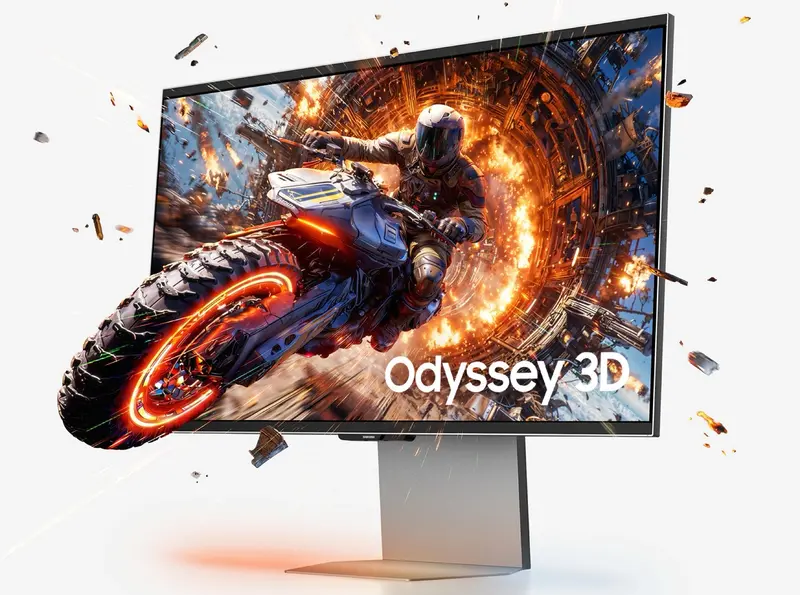
Odyssey 3D G90XH – The first 6K (6,144×3,456) glasses-free 3D gaming monitor, using real-time eye tracking to keep depth stable as you move. It is 32-inch, and supports Dual Mode, switching between 6K at 165Hz for visual fidelity and 3K at up to 330Hz for fast-paced gaming.
Odyssey G6 – Built for esports and competitive gaming, delivering QHD at up to 600Hz, or an eye-watering 1,040Hz in Dual Mode, putting it among the fastest gaming monitors ever announced.
Odyssey G8 lineup – Expands across 6K, 5K, and OLED variants, giving gamers more choice depending on whether they prioritize resolution, motion clarity, or contrast. AMD FreeSync Premium Pro support is included across the range.
Here you can see the 7 Most Exciting Gaming Monitors in 2026.


Spatial Signage – Samsung made its first-ever CES appearance in the Enterprise Technology category, earning a CES Innovation Award 2026 for Spatial Signage. This glasses-free 3D display adds realistic depth to standard 2D content, creating eye-catching visuals for retail stores, luxury spaces, and stadiums. The ultra-slim 2.1-inch profile and 85-inch frame make it easy to integrate into premium environments, while Samsung VXT allows remote content management across displays.
Samsung Galaxy Book 6 – Samsung also used CES 2026 to unveil the Galaxy Book 6 laptop family, focused on thinner designs, longer battery life, and Intel’s latest silicon. The lineup includes the Galaxy Book 6 Ultra, Book 6 Pro (14- and 16-inch), and standard Galaxy Book 6, all powered by Intel Panther Lake (Core Ultra X-series) processors optimized by Samsung.
The Galaxy Book 6 Ultra is the flagship, offering up to Core Ultra X9 CPUs, Intel Arc graphics, and optional NVIDIA RTX 50-series GPUs (RTX 5060/5070). Samsung claims up to 1.6× CPU and 1.7× GPU performance gains over the previous generation. Both the Ultra and Pro models feature upgraded AMOLED 2X touch displays with up to 1000 nits brightness and 120Hz adaptive refresh rates.
Design-wise, the laptops are slimmer than before, feature improved cooling, haptic trackpads, upgraded speaker systems, and a full-size SD card reader on the Galaxy Book 6 Ultra (finally). Samsung also promises up to 30 hours of video playback, faster charging, and new AI-powered productivity features like smart image cutouts and note summarization. Pricing and availability have not been announced yet.
Roborock at CES’26
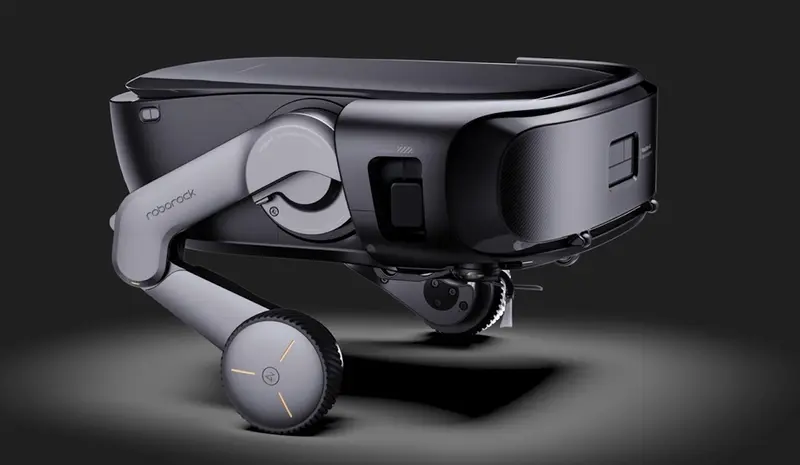
Roborock showcased its latest innovation – a stair-climbing robot!
At CES 2026, the company revealed the Saros Rover, a robot vacuum with articulated wheel-legs that can hop, balance, rotate in place, and, most impressively, climb and clean stairs. Using AI, motion sensors, and 3D spatial mapping, Roborock says the Rover can handle straight and curved staircases, bullnose edges, slopes, and multi-level thresholds – areas that have defeated traditional robot vacuums for years.
Roborock stresses that Saros Rover is a real product in development, though there’s no launch date yet. As with many CES robotics demos, it’s fair to be cautious about how well it performs in real homes. Still, if it lives up to its claims outside the lab, this could be the biggest leap forward in whole-home robot vacuuming we’ve seen in years.
If you are looking for a new robovac, here are the 8 Best Premium Robot Vacuums In 2026.
LG at CES’26

CLOiD humanoid robot – an innovative AI-powered home assistant robot capable of folding laundry, unloading dishwashers, serving food, and interacting via facial expressions and speech. It features two articulated arms, wrist/finger dexterity, and wheeled mobility. Yet, CLOiD is still in concept stage, and won’t be released soon.
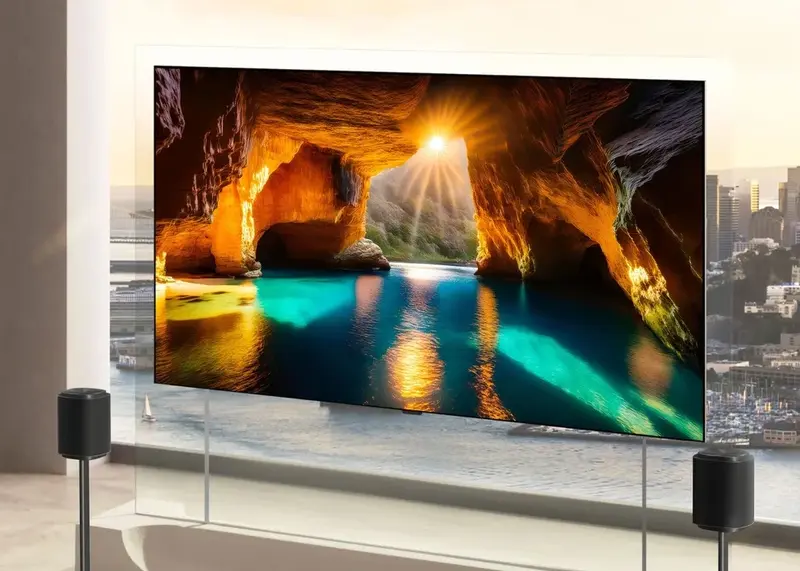
Wallpaper OLED TV (W6) – The super-thin TV comes with an unbelievable 2.57mm profile, wireless One Connect box (up to 10m), Hyper Radiant Color, Brightness Booster Ultra, and a reflection-free screen. Also, it comes with the new Alpha 9 Gen 3 processor with NPU for upscaling and AI via Microsoft Copilot/Google Gemini.
Gallery TV 2026 – This new TV directly competes with the Samsung Frame. It features a Mini LED panel, magnetic bezels, an anti-reflective screen, Gallery Mode for art display, and is designed together with museum curators.
Micro RGB TV – LG enters the game of Micro RGB TVs with its new 100-inch Mini LED TV with RGB backlight, reaching a wider color gamut, becoming a great alternative to Samsung and Hisense MicroRGB models.
New OLED TV lineups – G6 OLED comes with a 20% brighter display, and new anti-reflective technology, eliminating almost all reflections. C6, on the other hand, comes with the Primary RGB Tandem panel, improving contrast and brightness of the C6.
XBoom Bluetooth speakers – LG also announced new XBoom speakers – Blast, Mini, Rock, and Stage 501. Blast comes with 220W power and 35h playback, Mini could run for 10h, and is water and dust resistant as well as Rock, while Stage 501 comes with a battery for 25 hours with 220W. They are all tuned by Will.i.am for portable, party, and rugged use cases.
Sound Suite with Dolby Atmos FlexConnect – At CES 2026, LG unveiled its new Sound Suite, a flexible home audio system powered by Dolby Atmos FlexConnect. The idea is simple: no matter where you place your speakers in the room, the system adjusts the sound so it’s optimized for your position(or on your phone position, actually). Another cool feature of the system is that you don’t need every speaker in the lineup to get this effect – you can mix and match components to your taste and preferences.
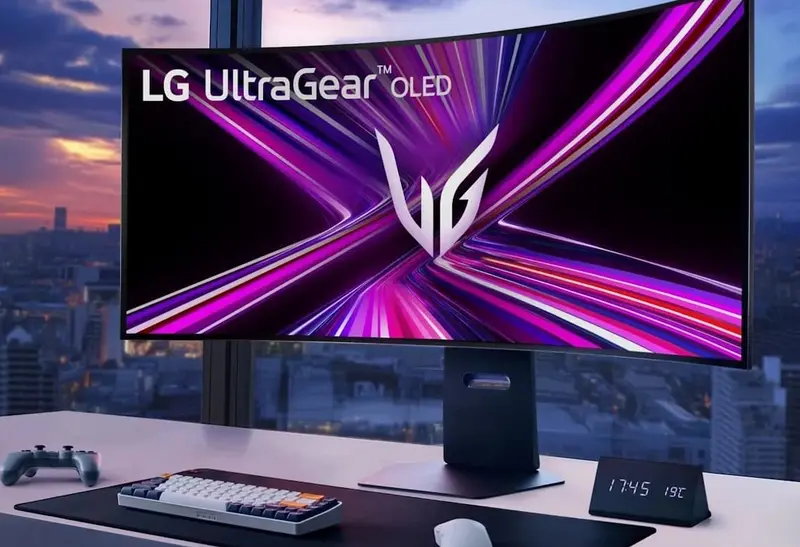
UltraGear evo 27-inch GM9 monitor – LG’s new top monitor impresses with its MiniLED technology with 2,304 local dimming zones, 5K support for high-end gaming. Price and release date to be announced in the upcoming weeks.
Lenovo at CES’26
ThinkPad Rollable XD Concept – Lenovo showcased the ThinkPad Rollable XD, a business-focused concept laptop with an OLED display that expands vertically from 13.3 to nearly 16 inches. What really sets it apart is its double-sided screen, which wraps 180 degrees over the lid to create a second, outward-facing display. The rolling mechanism now lives inside the lid itself, protected by a transparent glass cover developed with Corning, putting Lenovo’s engineering proudly on display. While still a concept, it already feels close to being market-ready.
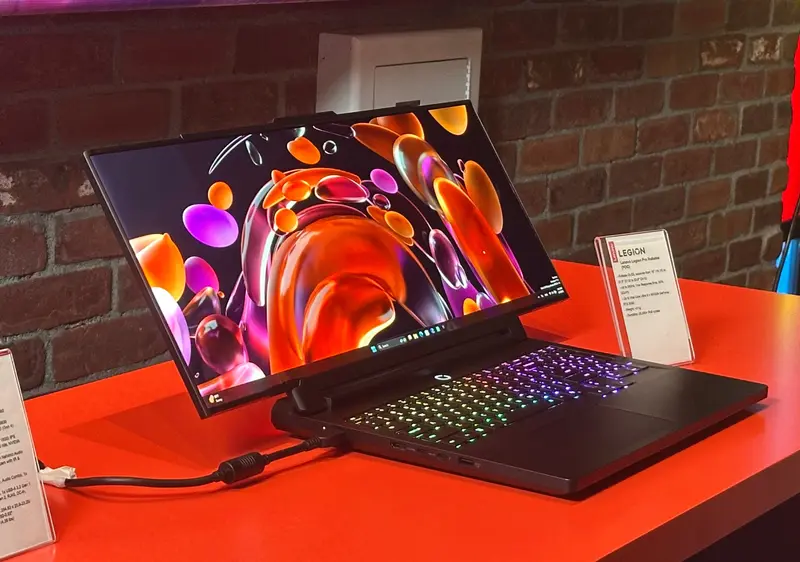
Legion Pro Rollable Concept – Aimed squarely at gamers, the Legion Pro Rollable Concept takes expandable displays even further. Its 240Hz OLED screen can grow from a standard 16-inch layout to 21.5 inches, and even wider in its most extreme mode, effectively turning the laptop into its own external monitor. It’s designed to match Lenovo’s high-end Legion Pro 7i specs, complete with top-tier Intel CPUs, Nvidia RTX graphics, and aggressive RGB lighting. It’s bulky and runs hot — but as a concept, it’s gloriously over-the-top. And honestly – such a technology could fix the small display issue laptops come with.
Legion Go 2 Powered by SteamOS – Lenovo officially announced the Legion Go 2 Powered by SteamOS, confirming what many fans were hoping for. It keeps the same hardware as the standard version, but replaces Windows with SteamOS for a more console-like experience. Launching in June, pricing starts at $1,199, positioning it as a powerful, if pricey, Steam Deck alternative.
Lenovo AI Glasses Concept – Lenovo also revealed its AI Glasses Concept, a lightweight pair of smart glasses weighing just 45 grams. Tethered wirelessly to a companion device, the glasses rely on Lenovo and Motorola’s Qira AI platform to deliver features like real-time translation, image recognition, and AI-generated notification summaries. Touch and voice controls are built in, along with speakers for audio playback, though there’s no word yet on if or when they could be released.
ThinkPad and Aura Edition Laptops – Lenovo refreshed its business lineup with new Aura Edition ThinkPads powered by Intel’s Core Ultra Series 3 “Panther Lake” processors. The updated ThinkPad X1 Carbon and X1 2-in-1 introduce a new “Space Frame” chassis for better cooling, easier repairs, and higher sustained performance, along with a new 10MP webcam. These premium models arrive in March, with prices starting at $1,999.
Yoga and Consumer Laptops – On the consumer and creator side, Lenovo unveiled new Yoga Pro 7i and 9i Aura Edition laptops, offering up to Intel Core Ultra 9 processors and Nvidia RTX 5070 graphics. The Yoga Pro 9i can be configured with a Tandem OLED display and a powerful six-speaker system, targeting creative professionals. These models are expected in Q2 2026, starting at $1,799.
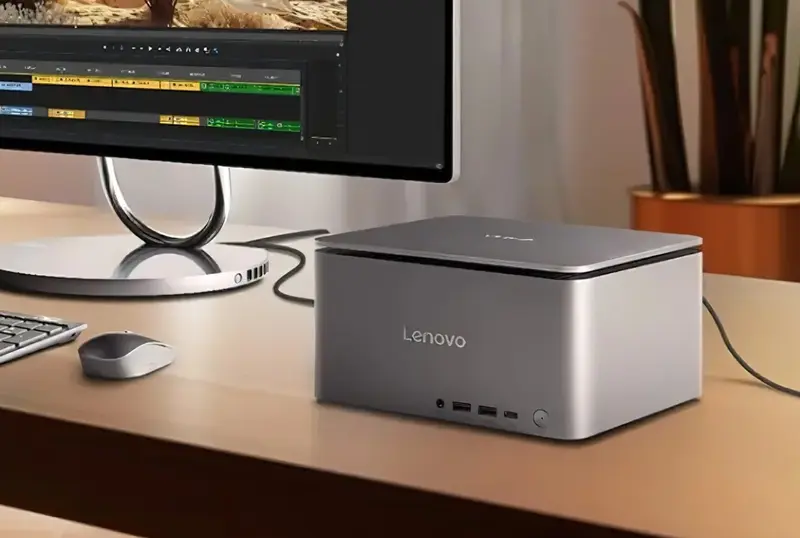
Yoga Mini I PC – Lenovo’s Yoga Mini I packs serious power into a tiny 0.65-liter aluminum chassis weighing just 600 grams. Powered by Intel Core Ultra Series 3 chips, it supports up to 32GB of RAM and 2TB of storage, along with a surprisingly generous port selection and Wi-Fi sensing features. Lenovo plans to launch it in June 2026, starting at $699.
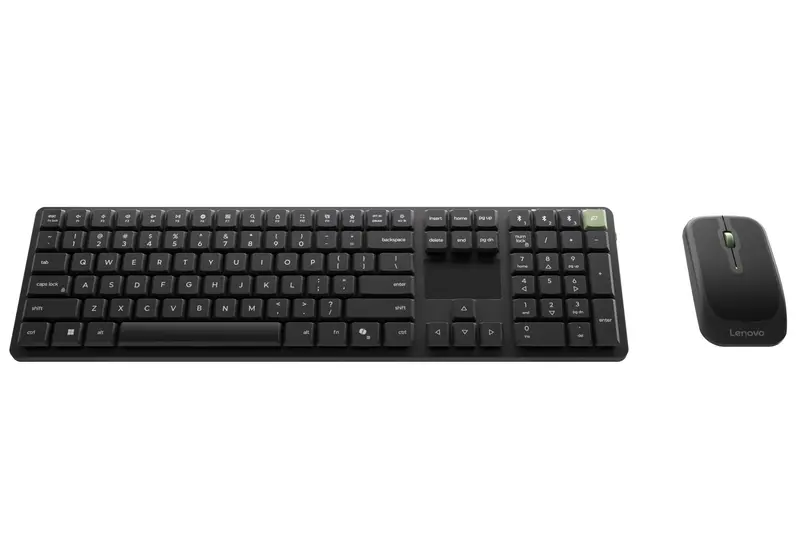
Self-Charging Keyboard and Mouse Concept – One of Lenovo’s quieter but clever concepts is its self-charging keyboard and mouse, which use indoor light — as low as 50 lux — to stay powered. Designed to eliminate charging cables entirely, the kit integrates solar panels directly into the keyboard and mouse surfaces. It’s still a concept with no pricing or release date, but it hints at a genuinely wire-free future.
Chromebook Plus I 15 -This is a 15.3-inch ChromeOS laptop built for users who want a larger display and long battery life. Powered by an Intel Core i3-N355, it offers up to 11 hours of use, optional touchscreen support, and modern connectivity. Pricing is expected to start at $469.99, with availability planned for Q2 2026.
Motorola at CES’26
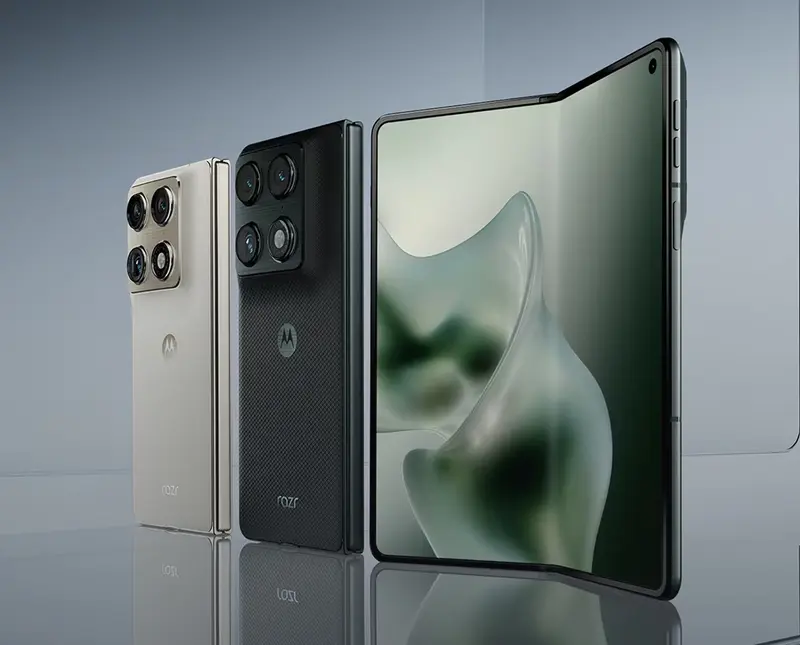
Razr Fold – Motorola released its most ambitious foldable yet, shifting the Razr brand from nostalgia to productivity. It features a large 6.6-inch cover display for everyday use and unfolds into a huge 8.1-inch 2K LTPO screen built for multitasking. On-device AI plays a big role via Lenovo’s new Qira platform, with features like Catch Me Up and Next Move. High-end cameras, Dolby Vision video, and stylus support make this feel like a serious work-first foldable.
Motorola Signature – This is the new Motorola flagship for 2026 – a razor-thin, business and productivity-focused smartphone. It packs a quad-curved AMOLED display, Snapdragon 8 Gen 5, triple 50MP cameras, and a large 5,200mAh battery. The biggest news here is that Motorola is matching Google and Samsung with seven years of OS and security updates. Launching in select European markets soon for €999, while it appears that the US release won’t happen.
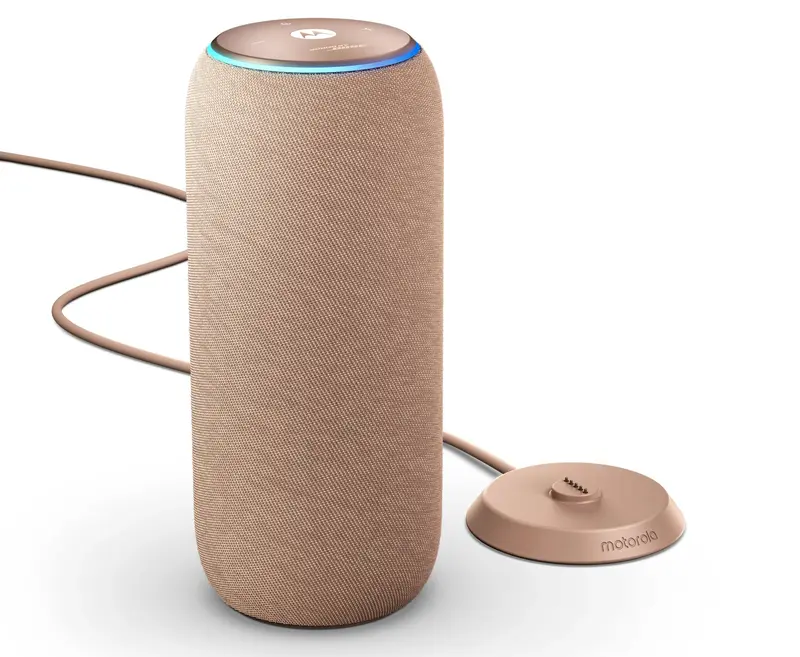
Moto Sound Flow Speaker – Motorola’s first portable speaker, built with Sound by Bose, UWB support, and a 30W output. It supports Wi-Fi and Bluetooth streaming, dynamic stereo pairing, and smart audio handoff between devices, while the IP67 rating makes it usable outdoors.
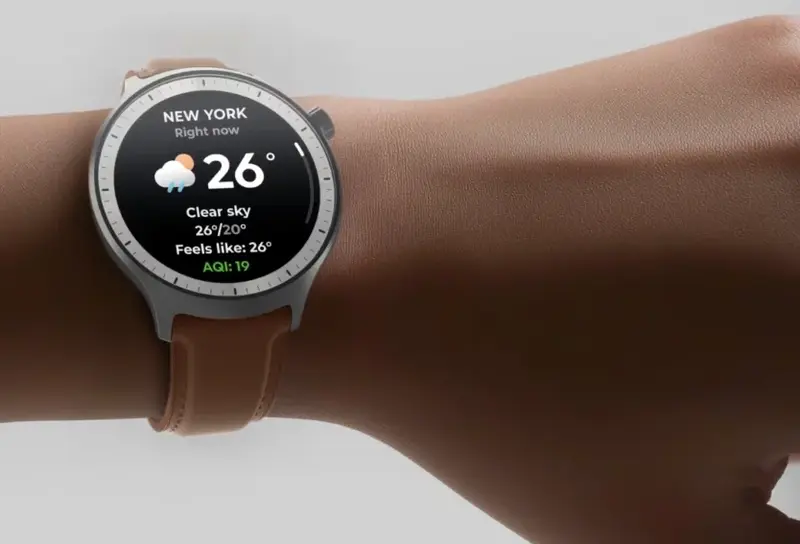
Moto Watch – Motorola’s new smartwatch is a sleek, round smartwatch focused on wellness, powered by a new partnership with Polar. It offers advanced health tracking, up to 13 days of battery life, a classic design, and adds smart features like call handling and AI-powered summaries via Moto AI.
Moto Pen Ultra – A precision stylus designed for the Razr Fold and Signature, featuring pressure sensitivity, tilt detection, palm rejection, and AI tools like Sketch to Image and Quick Clip. It turns Motorola’s phones into serious productivity and creative tools.
Moto Tag 2 – Motorola’s new smart tracker comes with UWB, Bluetooth Channel Sounding, and Google Find Hub support. It offers precise tracking, IP68 durability, and an impressive battery for over 500 days. The Moto Tag 2 can also act like a remote camera shutter and phone-finder.
Withings at CES’26

Withings Body Scan 2 – Withings returned to CES with a 2-gen of its ultra-premium smart scale, pushing even harder into medical-grade health tracking. Body Scan 2 expands monitoring from 40 to 60 biomarkers, adding new tests aimed at spotting early signs of chronic conditions linked to modern lifestyles. Withings plans to launch Body Scan 2 in Q2 2026, pending FDA clearance. Pricing places it firmly in flagship territory at $599.95 | €499.95 | £449.95.
The main upgrade is Impedance Cardiography (ICG), which measures how effectively the heart pumps blood to the body’s organs. This allows Body Scan 2 to assess cardiovascular performance and flag potential hypertension risks more accurately than before.
With Bioimpedance Spectroscopy (BIS), the scale can now analyze total body water and dig deeper into cellular metrics like active cell mass, metabolic efficiency, and estimated cellular age—data typically reserved for clinics or sports labs.
All collected data is processed through Withings’ clinically validated AI models, which translate raw measurements into insights about health trajectory, hypertension risk, and glycemic regulation, along with practical recommendations. The retractable ECG handle now houses the scale’s display, making readings easier to see during use, though it also introduces a single cable connection that Withings will need to prove durable over time.
Clicks at CES’26

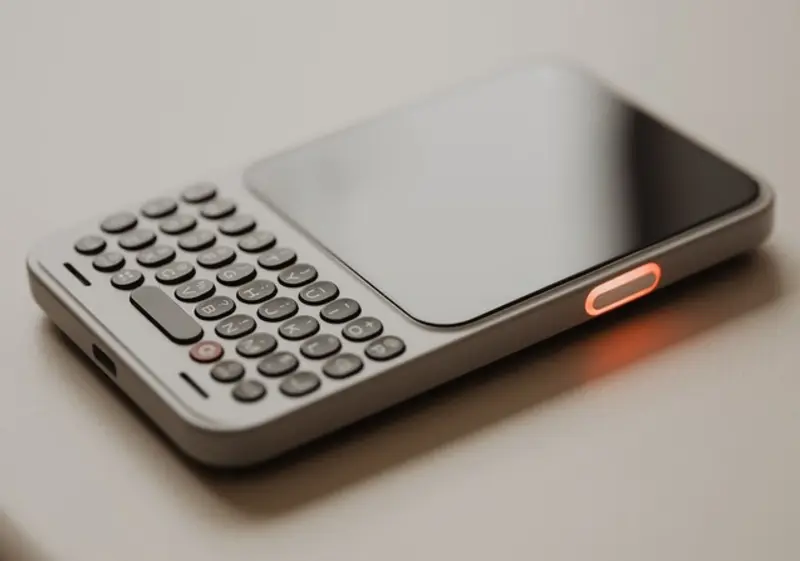
Clicks Power Keyboard (MagSafe keyboard battery) – Clicks announced a new, physical QWERTY keyboard that snaps onto the back of any MagSafe-compatible iPhone and even works with Android phones that support magnetic charging(while there are just a few yet). It connects via Bluetooth and includes a 2150mAh battery, designed to extend daily battery life rather than fully recharge a dead phone. At 180g and 15.2mm thick, it adds noticeable heft, but solves the biggest problem of previous Clicks products: device-specific compatibility. It’s priced at $79, and shipping starts in spring 2026.
Clicks Communicator – A compact Android-powered “mobile communicator” running Android 16, built around a physical keyboard and a minimal-distraction philosophy. It features a 4.03-inch AMOLED display, 5G support, 256GB storage (expandable up to 2TB), a 50MP rear camera with OIS, a 24MP front camera, a 3.5mm headphone jack, and both NanoSIM and eSIM support. Clicks positions it as a secondary device made to help you get the job done – to write an email or else, but it’s fully capable of being a standalone phone.
Anker at CES’26
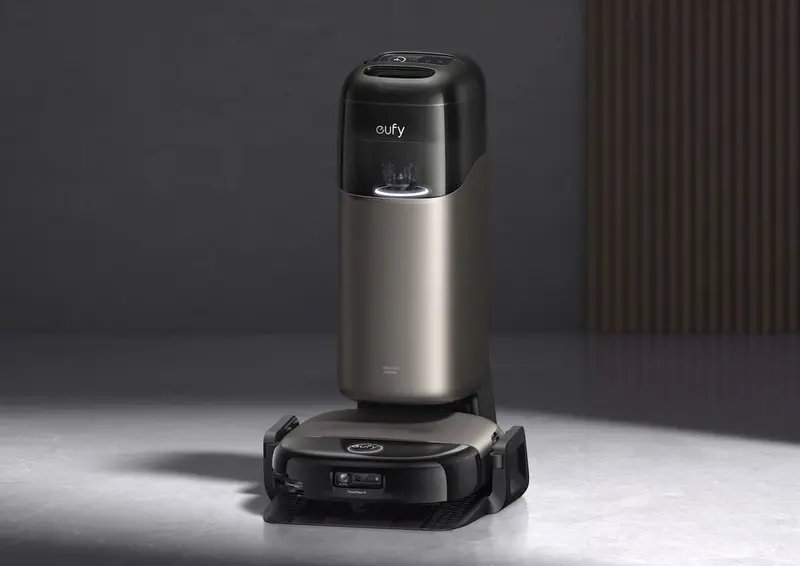
Eufy Clean Robot Vacuum Omni S2 – This is Anker’s new and most advanced robot vacuum to date, and it will be priced at $1,600. It delivers the stunning 100AW suction power, active mopping with 15N downward pressure, and comes with AI-based floor detection, and automatic adjustments for carpets, tile, and hardwood. Additionally, there are built-in air refresheners, which is an interesting selling point. Preorders begin January 6, with availability starting January 20.
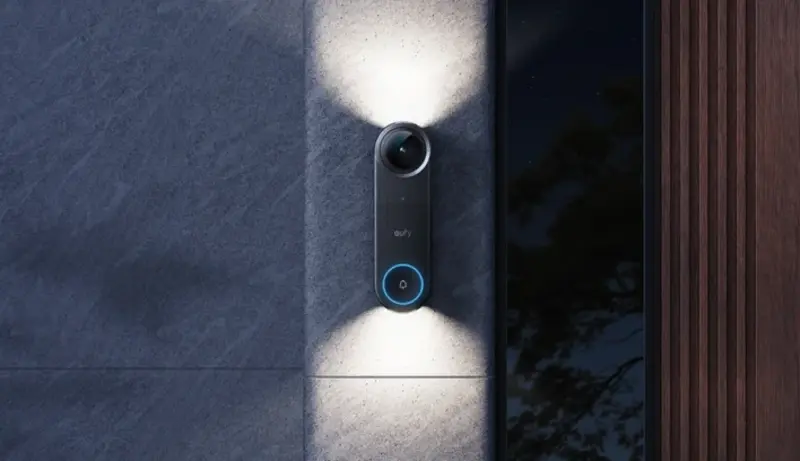
Eufy Video Doorbell S4 – The new high-end video doorbell features AI-powered people detection, auto-framing, and a 3,024×3,024 resolution feed with a full 180° panoramic view. It supports both wired and wireless installation, plus solar charging, and launches later in Q1 2026 for $280.
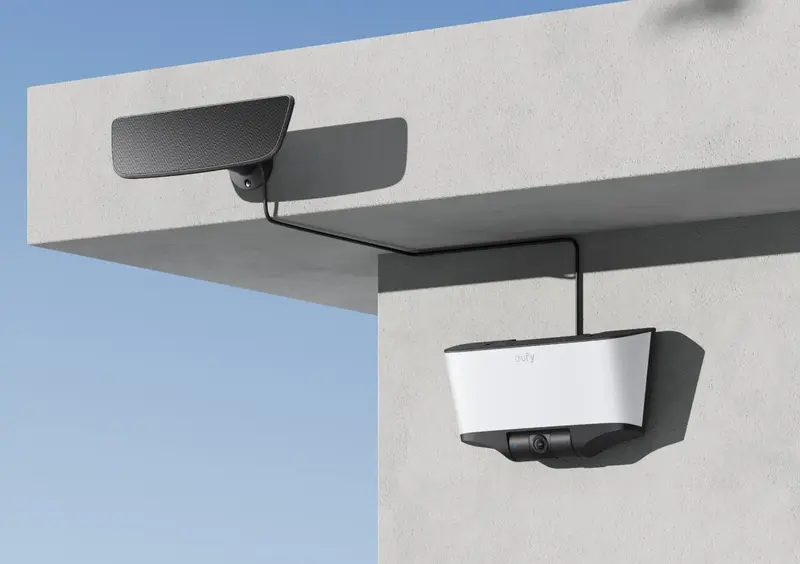
Eufy Solar Wall Light Cam S4 – This innovative outdoor security light includes a built-in 4K camera, adjustable white lighting (2700K–6500K), solar charging, and a 10,000mAh battery, enough for up to two months. The company announced it will arrive in Q1 for $200.
Eufy Smart Lock E40 – This new smart lock with 3D facial recognition can unlock automatically from up to 10 feet away. It includes a 2K camera, a long-lasting removable battery, and full Matter support, working with Apple Home, Alexa, Google Home, and SmartThings. Eufy Smart Lock E40 launches in Q1 at $300.
Belkin ConnectAir Wireless HDMI Display Adapter – Belkin introduced the exciting ConnectAir Wireless HDMI Display Adapter as a plug-and-play screen sharing solution that works without Wi-Fi, Bluetooth, apps, or drivers. Using a USB-C transmitter and HDMI receiver, it delivers 1080p/60Hz video with sub-80ms latency over distances of up to 40 meters, and supports up to eight transmitters for multi-user sharing. The adapter will launch in Q1 2026, priced at $149.99.
Belkin Qi2 Power Banks & Charging Accessories – Belkin expanded its charging lineup with several Qi2 and Qi2.2 products focused on faster speeds and portability. Highlights include the UltraCharge Pro Power Bank 10K with Magnetic Ring, offering 25W wireless and 30W wired charging with accessory pass-through, and the BoostCharge Slim Magnetic Power Banks in 5K and 10K sizes, featuring ultra-thin designs with built-in stands.
Belkin Modular and Convertible Chargers – For desk and travel use, Belkin unveiled the UltraCharge Modular Charging Dock, a compact 3-in-1 Qi2.2 charger supporting phones, earbuds, and smartwatches via a bring-your-own puck system. There’s also UltraCharge Pro 2-in-1 Convertible Charger, a foldable Qi2 charger that powers an iPhone and Apple Watch simultaneously, bundled with a 45W adapter.
Belkin UltraCharge Pro Laptop Power Bank 27K – Targeting power users and frequent travelers, Belkin’s UltraCharge Pro Laptop Power Bank 27K packs a 27,000mAh battery with up to 240W total output, including a 140W USB-C port capable of fast-charging high-end laptops. It is expected to arrive in March 2026 for $149.99.
Belkin Charging Case Pro for Nintendo Switch 2 – Belkin also showcased Charging Case Pro for the popular gaming console, integrating a 10,000mAh battery directly into the case.
Soundcore Sleep A30 Earbuds – Designed for side sleepers, the compact earbuds come in four calming colorways and undercut the previous model’s price. They bring improved battery life and Calm app integration for guided relaxation and better rest. Shipping is expected at the end of January 2026, priced at $199.
Soundcore AeroFit 2 Pro Earbuds – These are Soundcore’s first “dual-form” earbuds, combining open-ear listening with active noise cancellation. A five-level adjustable ear hook allows users to switch between open-ear comfort and a more secure, semi-in-ear fit for improved ANC. The earbuds feature adaptive ANC, spatial audio with head tracking. They are available now at $179.
Soundcore Work AI Voice Recorder – Soundcore expanded into productivity with the Work AI Voice Recorder, a coin-sized wearable designed for discreet recording and transcription. The device promises up to 97 percent transcription accuracy, AI-generated summaries, and manual highlighting via a double-tap, and is available now for $159.
Nebula P1i Portable Projector – For more affordable home and outdoor entertainment, Soundcore announced the new Nebula P1i, a compact 1080p portable projector priced well below the Nebula P1. It delivers 400 ANSI lumens, supports autofocus and auto keystone correction, and runs Google TV for built-in streaming apps. The P1i will launch soon (no exact date mentioned yet) and will be priced at $369.
Nebula X1 Pro Party Projector – Soundcore also finally confirmed availability for the Nebula X1 Pro, its all-in-one party projector combining a 3,500-lumen 4K projector with a built-in 160W 7.1.4 surround sound. Designed for both indoor and outdoor use, it features IP43 protection and launches January 20, 2026, priced at $4,999.
Soundcore Boom Go 3i Bluetooth Speaker – Rounding out its audio lineup, Soundcore unveiled the Boom Go 3i, a palm-sized portable speaker delivering 15W of output and up to 22 hours of battery life. Built for outdoor use, it features an IP68 rating and an integrated strap for easy carrying. The Boom Go 3i will launch in Q1 2026, priced at $80.
LEGO at CES’26
LEGO made one of its boldest moves ever at CES 2026 with the introduction of Smart Play, a new system built around the LEGO Smart Brick. At first glance, it looks like a standard 2×4 brick, but inside it packs sensors, a custom chip, LEDs, a tiny speaker, and wireless connectivity that allows LEGO sets to react dynamically to how they’re built and played with.
The Smart Brick can detect motion, orientation, proximity, and nearby Smart Bricks, enabling real-time interactions without apps or screens. LEGO pairs it with Smart Tags (tiles with digital IDs) and Smart Minifigures, which tell the brick what role it’s playing – whether that’s a spaceship, character, or vehicle. Everything communicates locally via BrickNet, a Bluetooth-based system that works without internet access, keeping the experience close to traditional LEGO play.
LEGO is launching Smart Play with three Star Wars sets, including Darth Vader’s TIE Fighter, Luke’s X-Wing, and a Throne Room Duel set, priced from $70 to $160. This marks LEGO’s biggest step yet into connected, interactive, and futuristic toys. Preorders open January 9, with sets launching March 1. Smart Play is definitely one of the most intriguing and unexpected announcements at CES 2026.
Garmin at CES’26
Garmin surprised CES 2026 by launching food and calorie tracking inside its Connect app instead of another fitness watch. The new feature uses a food database and AI image recognition to log meals via photos, manual entry, voice commands, or directly from compatible Garmin watches.
Because Garmin already tracks your activity and body data, it can offer more accurate calorie burn estimates and personalized macro recommendations tied to your fitness goals. You can also save custom meals and review detailed nutrition reports over time. The feature is available now as part of Garmin Connect+ for $6.99/month.
Lockly at CES’26
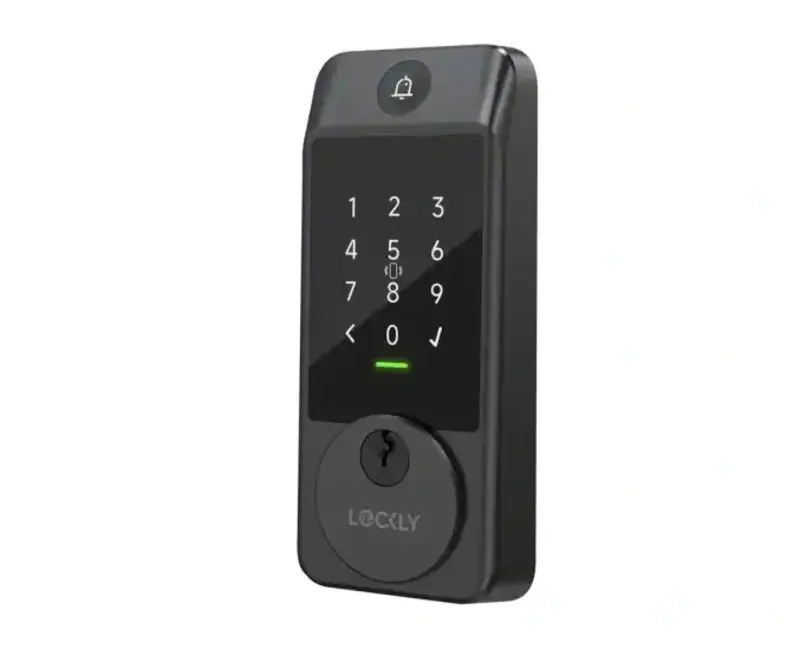
Lockly Affirm Series smart locks – Available in deadbolt and latch versions, the new Affirm lineup features built-in Matter support, allowing seamless use across ecosystems like Apple Home, Google Home, SmartThings, and Alexa. Access options include a numeric keypad, NFC tap-to-unlock, physical NFC cards, and digital wallet keys. Built-in Wi-Fi removes the need for a separate hub. Pricing is set at $179.99, and it will be available in late Q2 2026.
Lockly TapCom platform – Designed for short-term rentals, TapCom combines a video intercom with NFC-based guest access, allowing visitors to unlock doors by tapping a card or device. The platform starts at $24.99, with optional subscription features available.
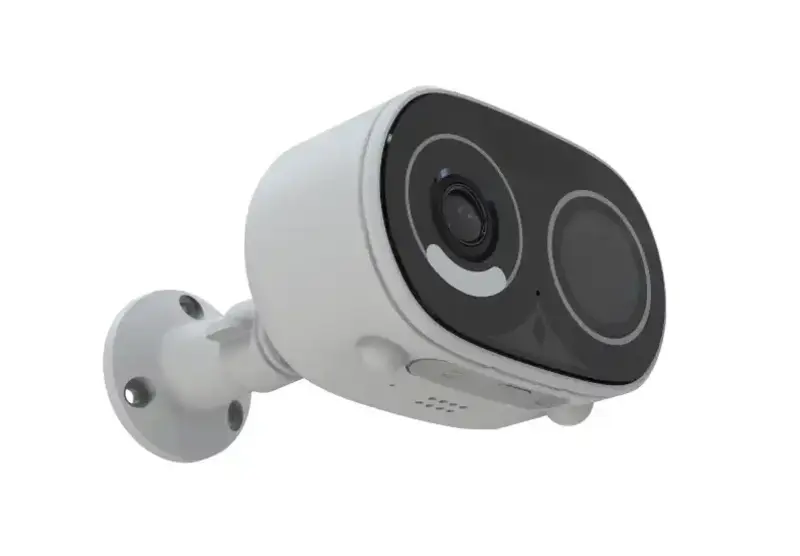
Lockly OwlGuard Security Camera – A 2K wide-angle smart camera with offline monitoring and AI detection for people, pets, and vehicles. It’s expected to launch in Q2 2026 at $99.
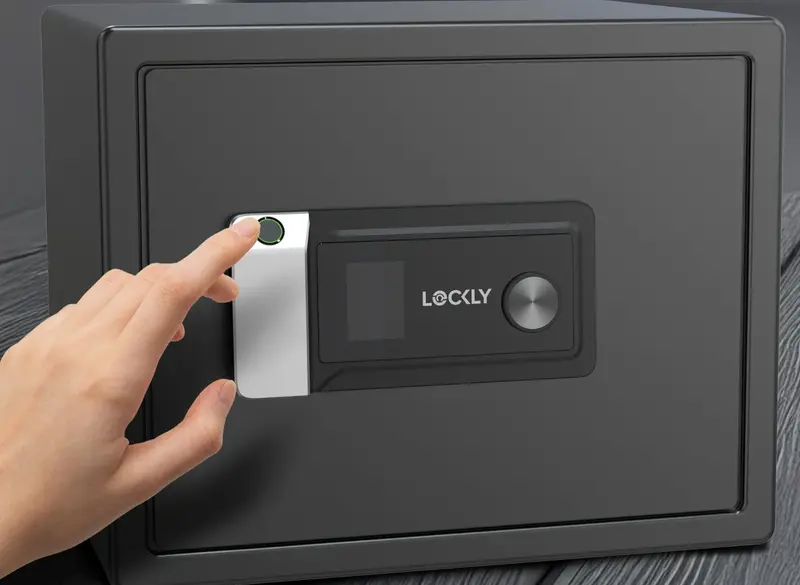
Lockly Smart Safe XL – A connected safe featuring AI-enhanced biometric security, offering access via fingerprint, keypad, or smartphone app. It will launch internationally in Q2 2026, followed by a US release in Q3, priced at $339.99.
Govee at CES’26
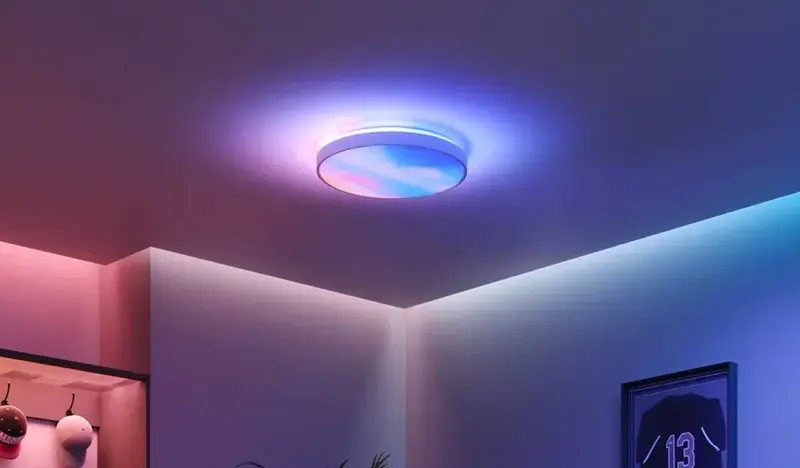
Ceiling Light Ultra – Announced as a ceiling creative canvas, this ceiling light uses 616 individually controlled LEDs, allowing detailed animations and multi-layer effects. Through the Govee app, users can design scenes with up to eight layers of motion, color, and shapes. It will also support AI Lighting Bot 2.0, enabling AI-generated animations and dynamic GIF-style lighting effects – right at your ceiling.
Ceiling Light with Blue Sky Effect – Designed to mimic a real skylight, this new ceiling light model prioritizes natural-looking daylight over deep customization. It also functions as a standard white-light fixture and is suitable for rooms up to 300 square feet.
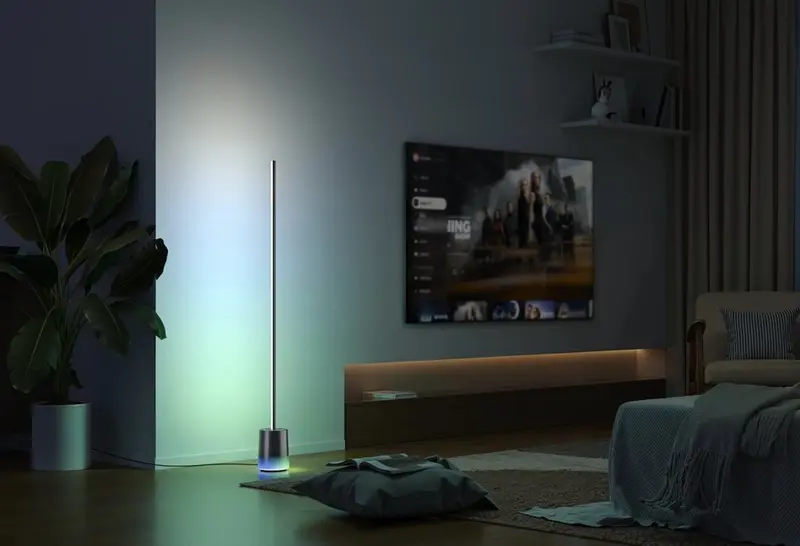
Floor Lamp 3 – A sleek ambient lamp featuring a 16-bit RGBIC system capable of displaying over 281 trillion colors, with white light ranging from 1000K to 10,000K. It introduces DaySync, which automatically adjusts lighting effects based on the time of day.
NVIDIA at CES’26
NVIDIA’s CES 2026 keynote was less about flashy consumer hardware and more about reinforcing where the company sees the future heading: AI everywhere. The biggest announcement was Alpamayo, a new family of open-source reasoning models for autonomous vehicles. The flagship Alpamayo 1 model uses chain-of-thought reasoning to break down complex driving scenarios step by step and explain its decisions, aiming to make self-driving systems behave more like human drivers. NVIDIA also introduced AlpaSim, a simulation model designed to train AV systems on rare and dangerous scenarios. The full NVIDIA autonomous driving stack, including Alpamayo, will debut in the 2025 Mercedes-Benz CLA, signaling how close this tech is to real-world deployment.
On the hardware side, NVIDIA confirmed it has begun production of its Vera Rubin supercomputer, built on the Rubin GPU architecture first teased in 2024. Each system combines a Vera CPU with 88 custom cores and massive memory alongside a Rubin GPU packing hundreds of billions of transistors, positioning it squarely for next-generation AI training and scientific computing. There were no consumer GPU announcements this time around, but NVIDIA’s message at CES 2026 was clear: the company is doubling down on autonomous systems and large-scale AI compute as its core priorities for the years ahead.
AMD at CES’26
AMD showcased its next-gen processors at CES 2026, including the Ryzen AI Max+ chips and the Ryzen 7 9850X3D with 3D V-Cache. The AI Max+ family includes a 12-core 392 and 8-core 388, both offering boost speeds up to 5GHz, 50 TOPS NPUs, and GPUs capable of 60 TFLOPs – designed for small desktops and laptops without needing discrete graphics.
The Ryzen 7 9850X3D is an 8-core chip reaching 5.6GHz with 104MB of L2 and L3 cache, leveraging 3D V-Cache for improved gaming performance without the cost of the $700 9950X3D. Both the AI Max+ chips and the 9850X3D are set to ship in Q1 2026, with pricing for the 9850X3D rumored around $200.
AMD also unveiled its Ryzen AI 400 processors, including desktop-ready Copilot+ models. These chips bring slight speed upgrades over last year’s lineup and feature 60 TOPS XDNA 2 NPUs, up from 50–55 TOPS in Ryzen AI 300 chips, improving AI model performance and inferencing.
The top-end Ryzen AI 9 HX 475 offers 12 Zen 5 CPU cores, up to 5.2GHz boost, and 8,533 MT/s memory, while the Ryzen AI 5 430 scales down to four cores but still includes a 50 TOPS NPU. AMD claims the Ryzen AI 400 series delivers up to 30% faster multitasking, 70% faster content creation, 10% faster gaming, and better “unplugged connectivity” for improved battery performance.
Switchbot at CES’26


Smart Home 2.0 Vision – SwitchBot arrived at CES 2026 with a bold Smart Home 2.0 vision, built around embodied AI and a deeply unified ecosystem. The idea is simple but ambitious: a home that can sense, understand, and act across everyday life – from work and study to comfort and security – with devices that cooperate instead of operating in silos.
Onero H1 Household Robot – The main reveal is Onero H1, SwitchBot’s most advanced household robot to date. Designed as a multi-task system rather than a single-purpose gadget, onero H1 features 22 degrees of freedom, on-device OmniSense VLA AI, and rich visual, depth, and tactile sensing. It’s built to handle contact-heavy tasks like grasping, opening, pushing, and organizing, while learning and adapting over time. The robot is meant to work alongside SwitchBot’s existing task-focused devices, acting as a coordinating brain for the home. Pre-orders for onero H1 and its A1 robotic arms are coming soon.
Lock Vision Series – SwitchBot also expanded into next-gen home security with the Lock Vision Series, the world’s first deadbolt smart locks using 3D structured-light facial recognition. With over 2,000 infrared points, the system builds precise facial maps for fast, secure unlocking – even with hats, glasses, or makeup, while blocking spoofing attempts via liveness detection. All biometric data is stored locally.
The lineup supports Matter-over-Wi-Fi for direct Apple Home integration and includes DualPower and DualBackup battery systems. The Lock Vision Pro goes a step further with contactless palm-vein recognition, ideal when hands are wet or dirty.
AI MindClip – SwitchBot’s AI MindClip pushes Smart Home 2.0 beyond the house itself. This 18-gram wearable AI assistant continuously records conversations and meetings, turning them into summaries, to-dos, and a searchable personal knowledge base. Supporting over 100 languages and powered by cloud AI, it’s designed to reduce cognitive overload and help users recall information effortlessly.
Weather Station – A new SwitchBot Weather Station that uses a 7.5-inch E-Ink display to surface key household data at a glance, including indoor climate, air quality, weather forecasts, calendar events, and smart scene triggers. AI-powered daily weather briefings add context and recommendations, blending utility with a calmer, always-on display style.
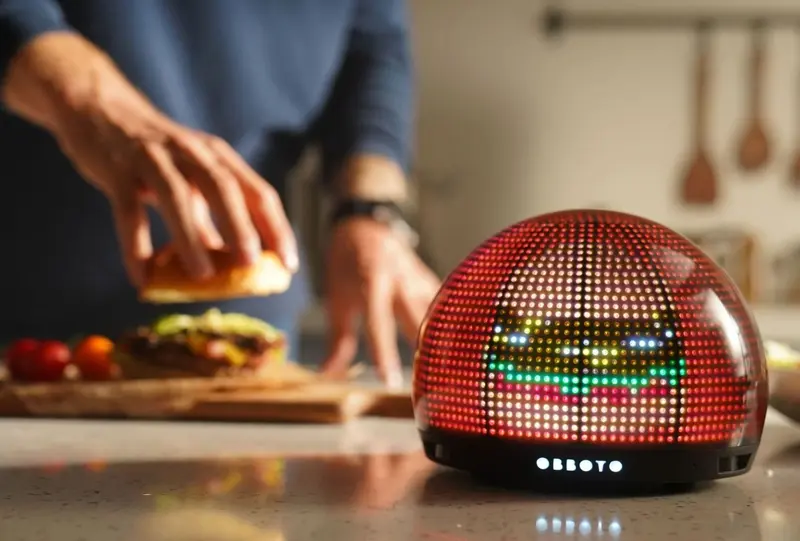
OBBOTO Light – Rounding out the comfort-focused devices is SwitchBot OBBOTO, an AI-powered pixel globe light packed with 2,900+ RGB LEDs. It reacts to motion, music, time, and weather with dynamic animations, while offering modes for focus, relaxation, and sleep. It’s less about illumination and more about turning light into a playful, expressive companion.
Acemate Tennis Robot – Visitors to the booth could also see Acemate, SwitchBot’s incubated sports-tech project and the world’s first AI tennis robot designed for real rally practice – a reminder that the company’s ambitions extend well beyond the living room.
Dell at CES’26
After quietly killing off the beloved XPS brand last year and replacing it with the confusing “Dell Premium” naming, Dell is officially bringing XPS back. And honestly? It feels like the company listened.
XPS has always stood for Dell at its best: clean design, great performance, and some of the most consistently praised Windows laptops on the market. Replacing that with generic branding didn’t simplify things – it made them messier. Dell openly admitted as much at CES, confirming that the rebrand backfired and confused customers, especially with the overlap between consumer, Pro, and Pro Max devices.
Starting in 2026, XPS once again becomes Dell’s flagship consumer lineup, front and center. The first wave includes refreshed XPS 14 and XPS 16, plus a brand-new XPS 13 that Dell says will be its thinnest and lightest ever. On top of that, Dell is fixing long-standing complaints: physical function keys are back, segmented touchpads return, and design decisions now prioritize usability over gimmicks.
Under the hood, Dell is also simplifying its entire portfolio. XPS is for premium consumers, Alienware stays focused on gaming, and Dell Pro remains enterprise-only – no more blurred lines. Dell’s message at CES 2026 was refreshingly straightforward: great products win.
Alienware at CES’26
Alienware teased two new laptops at CES 2026 – an ultra-slim model (17mm) available in 14- and 16-inch sizes, and an entry-level gaming laptop aimed at accessibility. Both are designed for gaming, productivity, and creative work, but aren’t as powerful as the flagship Area-51 line.
The company is also updating Alienware 16X Aurora and 16 Area-51 laptops with anti-glare OLED panels with 620 nits brightness and 0.2ms response time, plus Intel Core Ultra 200HX chips. The Alienware 18 Area-51 is getting the same CPU upgrade, while the Area-51 Desktop will feature AMD Ryzen 7 9850X3D processors.
Updated laptops will arrive in Q1 2026, and the refreshed Area-51 Desktop will launch in February, with pricing yet to be announced.
OhSnap at CES’26
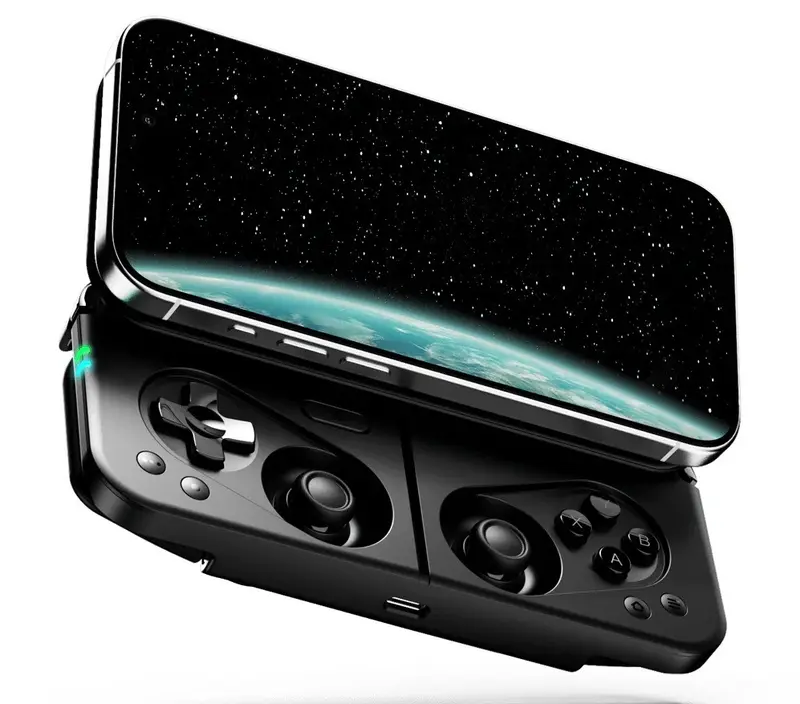
OhSnap is clearly thinking long-term about portable mobile gaming. The new MCON Lite and MCON Slim game controllers show the company is willing to trade some traditional controls for an even thinner, more pocket-friendly design. The Lite swaps full joysticks for concave pads, while the Slim goes all-in on ultra-thin concave touch surfaces, pushing portability further than most mobile controllers on the market.
They won’t replace the full MCON for serious play, but they don’t really need to. Instead, they feel aimed at commuters, travelers, and casual gamers who want something they can always carry without thinking about it. With lower prices planned and launch set for summer (Lite) and fall (Slim), OhSnap looks well-positioned to cover everything from couch-style mobile gaming to truly grab-and-go play accessories.
Mammotion at CES’26

LUBA 3 AWD – Mammotion’s new Flagship robot mower comes with enhanced Tri-Fusion Navigation (360° LiDAR + dual 1080p AI Vision + NetRTK) for impressive ±1 cm precision. It also features a 10-TOPS AI chip to better understand objects and terrain. The new Luba 3 AWD handles an 80% slope and covers up to 1.75 acres/day. It is priced at $2299(€2299).
LUBA mini 2 AWD – The new compact AWD mower for up to 10,760 sq ft supports Tri-camera AI Vision + NetRTK, and also comes with 10-TOPS AI chip.
YUKA mini 2 – This small mower is available in two navigation variants: 360° LiDAR + Vision for complex spaces or tri-camera AI Vision for standard yards. It comes with Smart Mapping and DropMow mode for instant N-pattern mowing. YUKA mini 2 is available from January 5, 2026 in the EU/UK, while the US release date is still unknown.
Tri-Fusion Navigation 2.0 – The upgraded navigation system combines Full 360° LiDAR scanning 330 ft., NetRTK global accuracy with no base station, and dual-camera stereoscopic depth for object detection. It is extremely precise, making it a groundbreaking solution for outdoor positioning.
XGIMI at CES’26

XGIMI debuted MemoMind at CES 2026, a new brand for its upcoming AI-powered AR glasses. The lineup includes the Memo One and the lighter Memo Air, both designed for everyday wear with multiple frame options and support for prescription lenses. The Memo One features dual-eye displays and built-in speakers, while the Memo Air uses a single-eye display and weighs just 28.9 grams.
MemoMind glasses focus on AI features like translation, summaries, reminders, and contextual assistance, with the system dynamically switching between OpenAI, Azure, and Alibaba’s Qwen models. Preorders for the Memo One are expected after MWC in March, starting at $599.
HP at CES’26
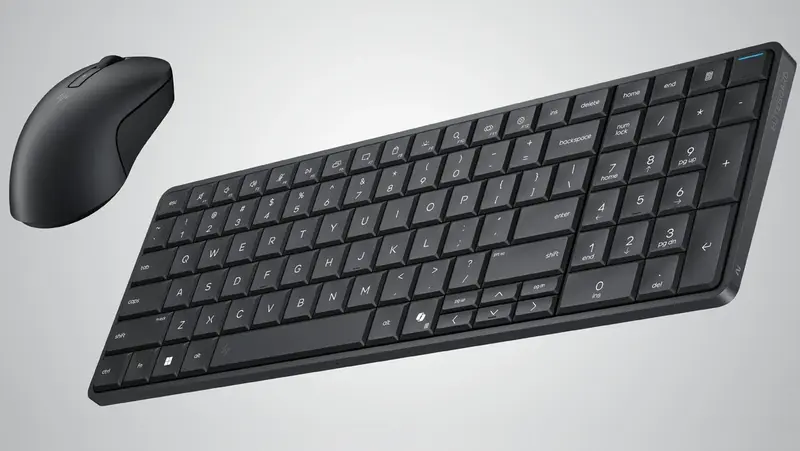
HP announced it is reviving the “keyboard PC” with its EliteBoard G1a, calling it “Next Gen AI PC.” The full computer fits inside a standard keyboard and runs on Ryzen 5 or 7 CPUs with embedded Radeon 800 GPUs, up to 64GB RAM, and 2TB NVMe storage – you just have to add a monitor and mouse.
During testing, the device handled multitasking, light gaming, photo editing, and browsing smoothly, performing roughly like an entry-level laptop. While setup requires USB-C hubs for video and power, the typing experience is comfortable, and the compact design is ideal for office or IT deployment, especially for hybrid work. Targeted at commercial users, HP is exploring broader adoption based on feedback, with the EliteBoard offering a unique, space-saving alternative to traditional desktops.
NAOX at CES’26
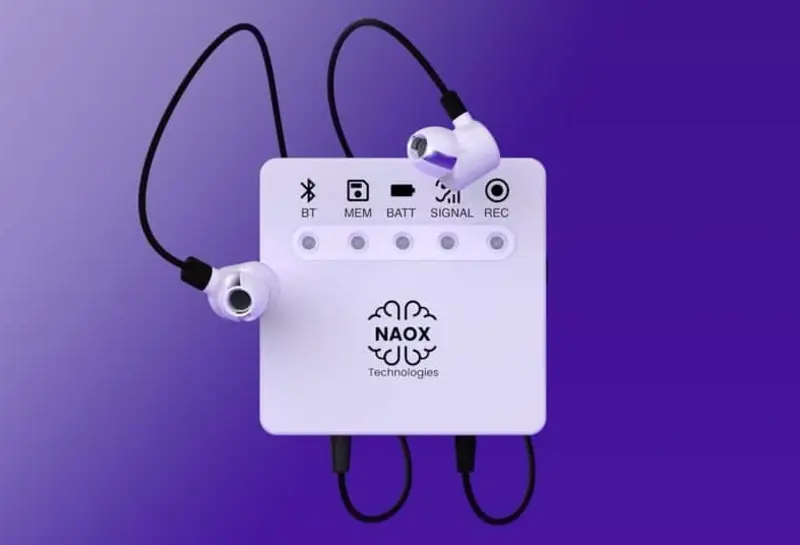
French startup NAOX is bringing EEG brain-scanning tech to consumers with its NAOX Wave earbuds. Using the same in-ear EEG sensors as its clinical Link NX01 device, the Wave earbuds monitor brain activity throughout the day, tracking mental health, cognitive performance, sleep, and even “brain age.”
Set to launch late 2026, NAOX plans to license the technology to other audio brands, potentially bringing EEG-enabled earbuds to a wider audience beyond its own devices, which would be really exciting!
Vivoo at CES’26
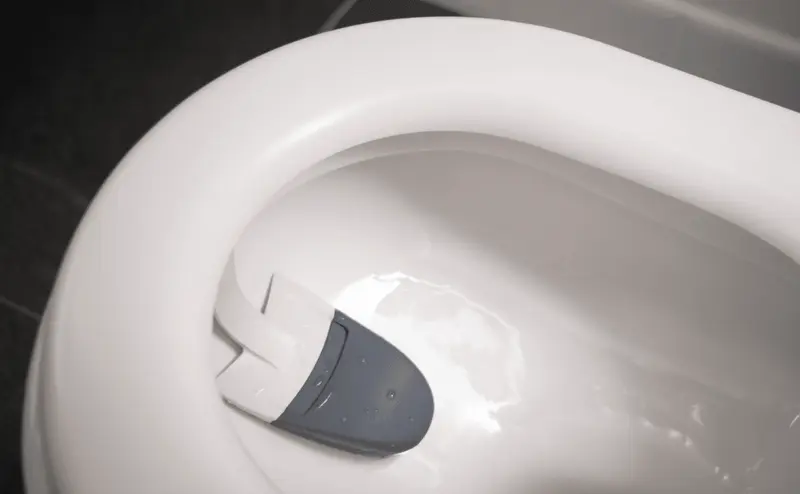
Vivoo unveiled two health-monitoring innovations at CES 2026. The Smart Toilet clips onto your bowl and uses optical sensors to track hydration by measuring urine specific gravity, sending results directly to a smartphone app. Its battery supports over 1,000 readings without recharging. Early preorders start at $99, and it will start shipping in March, with general availability in September at $129 plus. But have in mind, there would be a $6/month subscription.
Vivoo also introduced the Hygenic FlowPad, a microfluidic menstrual pad that monitors hormones like FSH for fertility and ovarian health. Users scan the pad with their phone to track results, with pads expected to cost $4–5 each.
Rokid at CES’26
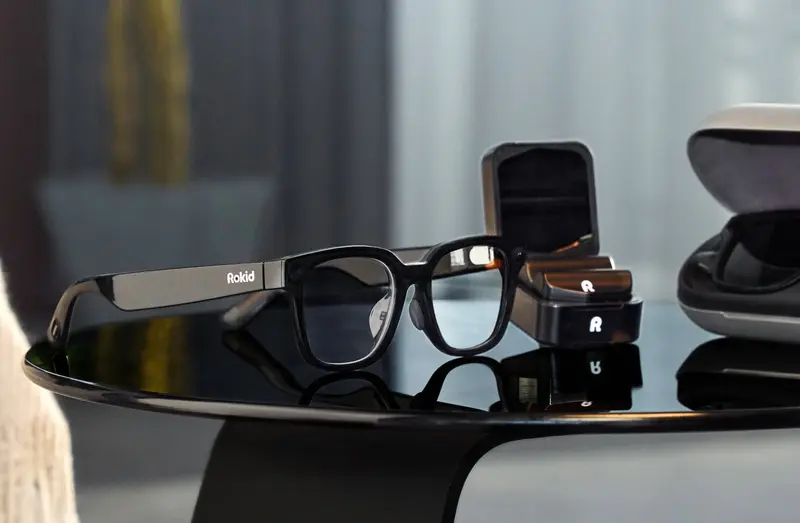
Rokid unveiled Style, its new AI glasses, at CES 2026. Designed for all-day wear and compatible with prescription lenses, they support multiple AI engines, including ChatGPT and DeepSeek, as well as Google Maps and Microsoft AI translation.
Style glasses don’t include a display and are focused on voice interaction and commands, offering up to 12 hours of battery life. A 12MP Sony camera records 4K video up to 10 minutes, with three aspect ratios for content creation.
Weighing 38.5 grams with ultra-thin lenses, the glasses come in two frame styles and offer transition lenses. Style is available for preorder with a $1 deposit and launches globally on January 19 for $300.
Dreamie at CES’26
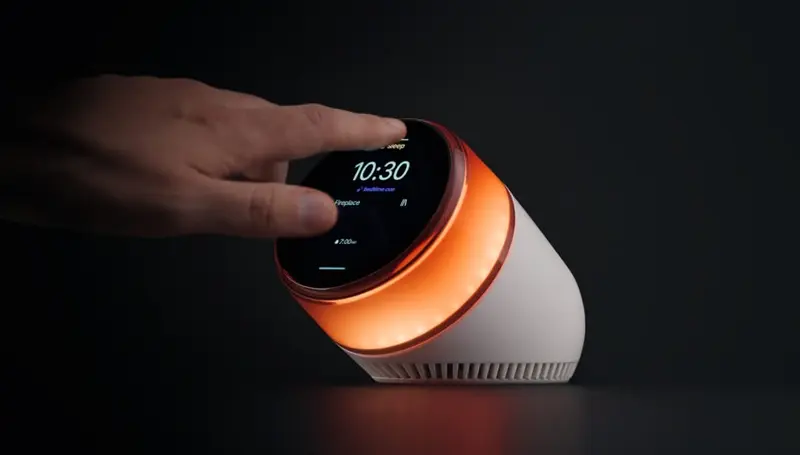
Dreamie is bringing relaxation to CES 2026 – it’s a new bedside smart alarm clock designed for better sleep. The device features dynamic sunrise lighting, guided breathing programs, a built-in podcast player, and green, pink, and brown noise sound masks. All controls, scheduling, and data storage are on-device, with no phone or subscription required.
Dreamie uses a 20-LED array for customizable lighting and a 50mm 360-degree speaker for immersive sound. Environmental sensors track sleep-influencing factors like temperature and humidity, and the interface includes a touchscreen, dial, and touch strip for brightness and sound control. The $250 device has begun shipping after a successful crowdfunding campaign.
Aiper at CES’26
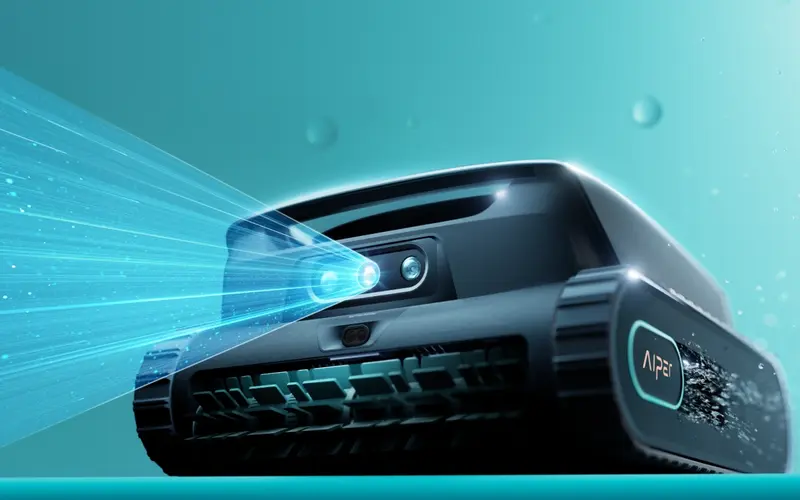
Scuba V3 – The new entry-level underwater robotic pool cleaner ($999) comes with AI-powered Vision Cleaning that identifies 20+ types of debris from up to 2 meters, adjusts in real-time, and includes AI Patrol Cleaning for extra coverage in dirty areas.
Scuba V3 Pro – The Mid-tier model ($1,199) cleans floor, walls, and shallow areas, adding anti-stranding mode, improved filtration, and enhanced AI route optimization for smarter coverage.
Scuba V3 Ultra – This is the top-of-the-line underwater robot. Features Cognitive AI Navium for intelligent scheduling, powerful suction, full 3D pool mapping, and automated debris detection and path optimization.
EcoSurfer Senti – AI-powered surface-only robotic skimmer. Actively seeks floating debris, monitors pool chemistry (pH, chlorine, ORP, temperature), and dispenses microdoses of treatment via replaceable cartridges. It is also solar-powered for extended self-sufficiency.
Hisense at CES’26
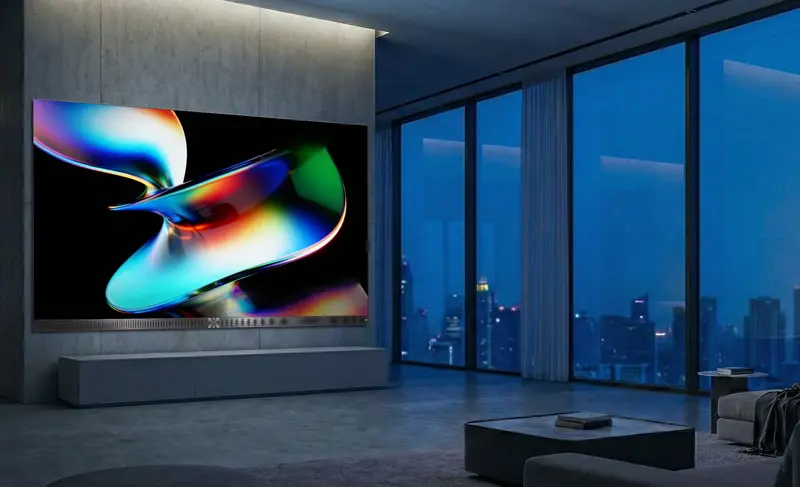
RGB Mini-LED TV Series (UR8 & UR9) – Hisense expands its RGB Mini-LED TVs with 55–100-inch sizes with RGB LEDs in each lens for wider gamut and improved contrast. The new flagship TVs also feature the Hisense Hi-Vew AI Engine for real-time color and contrast optimization.
RGB Mini-LED Evo (116UXS) – This new top-tier model adds cyan to the RGB lens for more realistic colors, reaching the unbelievable 110% BT.2020 color coverage. And what is also impressive is its size – a pure 116-inch cinema.
RGBY MicroLED (163MX) – Another innovative model by Hisense, showcasing the usage of Yellow color next to the RGB lights, all packed in a futuristic MicroLED display. This TV reaches 100% BT.2020 coverage, comes with improved viewing angles, and it will be hard to fit it in every room, as it’s a giant 163-inch beast.
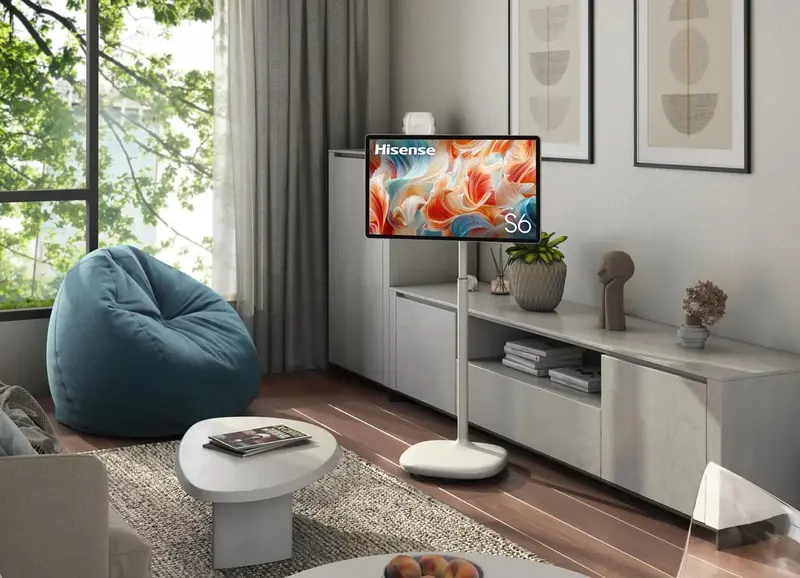
S6 FollowMe Smart Display – This 32-inch 4K portable smart screen comes on wheels and can be moved from one place to another easily. It comes with a battery for 10 hours of watching, and offers an integrated camera for video calls.
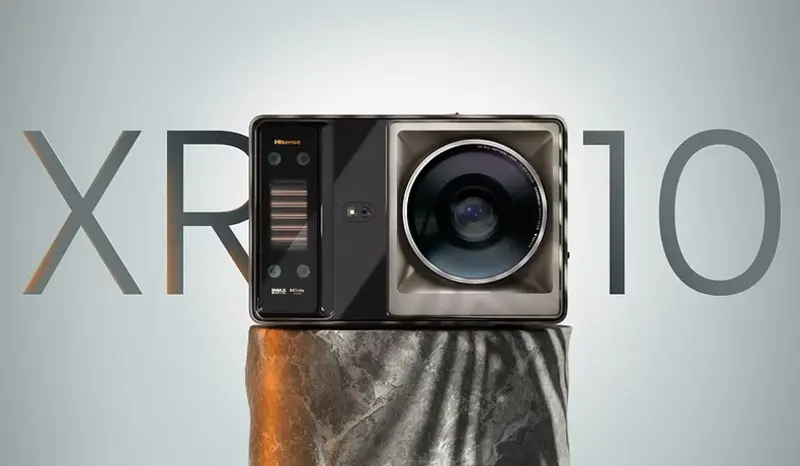
XR10 Lifestyle Projector – New, long-throw projector, capable of 65–300-inch projection, with 6,000 ANSI lumens, making even OLED TVs look washed!
PX4-Pro Ultra-Short-Throw Projector – The new short-throw model is packed in a sleek body, projecting up to a 200-inch picture, with a 3,500 ANSI lumens bright image.
TCL at CES’26
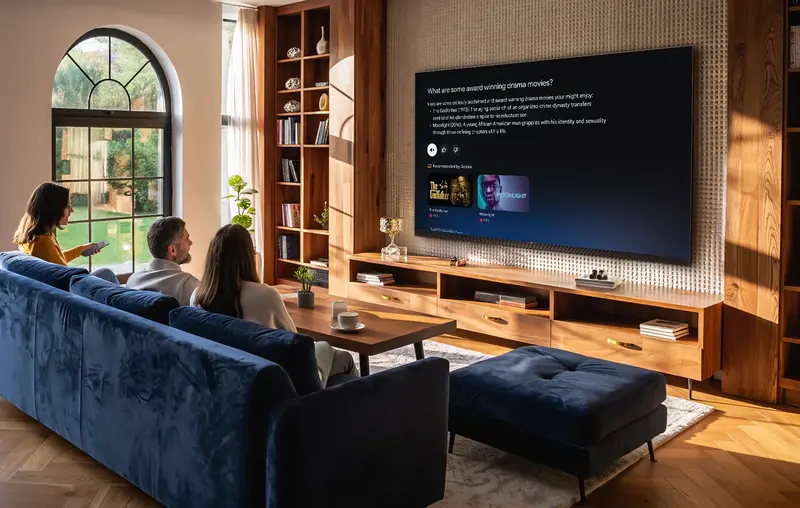

X11L SQD-Mini LED TVs – As we told you, TCL announced a groundbreaking 10,000-nit bright TV at CES 2026, calling it Super Quantum Dots or SQD Mini LED TV. It uses 20,000 dimming zones and offers Bang & Olufsen audio and an upgraded AI processor with new features. Pre-orders start now for these sizes – 75-inch($7,000), 85-inch($8,000), and 98-inch ($10,000).
NXTPAPER 70 Pro Phone – The new eye-care phone by TCL comes with a 6.9-inch FHD+ display with three modes: Color Paper, Ink Paper, and Max Ink. It is powered by MediaTek Dimensity 7300 SoC, and comes with up to 16GB RAM, 5,200mAh battery, blue-light reduction, and handwriting-to-text via its Stylus. Launching in February.
Note A1 NXTPAPER Tablet – The new eye-protection tablet includes an 11.5-inch display with color and ink modes. Pre-orders start now at $419.
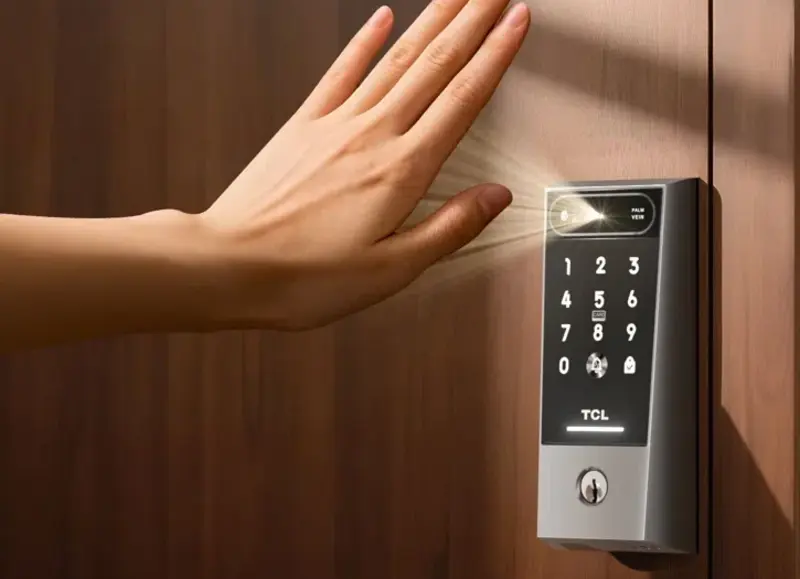
D2 Pro Palm Vein Smart Lock – TCL’s next-gen smart lock with Matter support comes with Alexa & Google compatibility, AI-enhanced infrared palm vein recognition, and will be available in Q2 2026.
ASUS at CES’26
ROG Zephyrus Duo (2026) – ASUS brought back the Zephyrus Duo with a major redesign, turning it into a true dual-screen gaming laptop. Instead of the awkward secondary strip display, the new model features two full-sized OLED screens that can be used in multiple layouts, making multitasking far more practical.
It’s powered by Intel Core Ultra 300 Panther Lake CPUs and up to an NVIDIA GeForce RTX 5090 laptop GPU, with up to 64GB RAM, 2TB SSD storage, and dual 3K 120Hz ROG Nebula OLED displays. Unfortunately, pricing wasn’t mentioned at the event.
ROG NeoCore Wi-Fi 8 Router (Concept) – ASUS previewed the ROG NeoCore, a striking Wi-Fi 8 router concept focused on stability rather than raw speed. Wi-Fi 8 promises lower latency, better performance in congested networks, and improved IoT connectivity. Design and specs may change before launch, but ASUS plans to release its first Wi-Fi 8 routers later this year.
ROG R1 Smart Display Glasses – Developed with Xreal, the ROG R1 gaming glasses push refresh rates up to 240Hz for ultra-smooth gameplay. They offer 700 nits of brightness and a 57-degree field of view, making them ideal for portable gaming setups. Pricing and release date haven’t been announced, but they’re expected to be priced above the existing Xreal models.
ROG Flow Z13 Kojima Productions Edition – ASUS teamed up with Kojima Productions for a special-edition ROG Flow Z13 gaming tablet. Internally, it’s the same powerful 13.4-inch device, but the exterior features Kojima-inspired design elements and matching accessories. Pricing and availability are still under wraps.
ASUS Chromebook CM32 Detachable – The new CM32 is a rugged 12-inch detachable Chromebook aimed at education, retail, and healthcare. It features a 2.5K 120Hz touchscreen, MediaTek Kompanio 540 processor, up to 13 hours of battery life, and military-grade durability. It supports optional accessories like a detachable keyboard, magnetic stand, and stylus.
ROG Kithara Planar Magnetic Gaming Headset – ASUS unveiled its first planar magnetic gaming headset, developed with HIFIMAN. The ROG Kithara features 100mm planar drivers, an open-back design, a wide 8Hz–55kHz frequency range, and a full-band MEMS boom mic.
ROG PG32UCDM3 QD-OLED Monitor – The third-gen 32-inch 4K 240Hz QD-OLED monitor adds BlackShield Film, improving durability and boosting black levels by up to 40% in bright rooms. Aside from better glare handling and contrast, the core gaming performance remains unchanged.
ROG Zephyrus G14 & G16 (2026) – ASUS refreshed its ultra-portable gaming lineup with new Intel Core Ultra Series 3 and AMD Ryzen AI options, paired with up to RTX 5090 laptop GPUs. Both models feature Nebula HDR OLED displays with up to 1100 nits of brightness and improved cooling.
Fraimic E Ink display at CES’26

Fraimic is an AI-powered E Ink art display that lets you generate images with a built-in mic that sends prompts to OpenAI – no app or subscription required. It automatically formats images for portrait or landscape using its accelerometer. You can also upload your own images locally or via the brand’s website. The 13-inch Spectra 6 E Ink screen offers about 200 DPI, with subdued but pleasant colors. Battery life is excellent since the screen only uses power when changing images. The Fraimic is priced at $399, and pre-orders are expected to ship in spring 2026.
Sweekar AI Tamagochi at CES’26

Sweekar is a Tamagotchi-like AI companion in a palm-sized egg-shaped device. It grows through four life stages, learns from your interactions, remembers your voice, and eventually entertains itself autonomously. Sweekar comes in multiple colors and supports customizable shells and outfits. The device is unkillable from Level 51 onward and must be kept charged. Pricing is expected to be $100–$150, with a Kickstarter campaign launching soon.
L’Oreal at CES’26
L’Oréal Group used CES 2026 to highlight how deeply technology is reshaping beauty, unveiling two standout innovations, both centered around advanced light-based technology.
Light Straight + Multi-styler – Seven years in development and tested on over 1,000 people, it replaces traditional heating coils with patented halogen infrared light embedded in glass plates. This allows the device to straighten hair at significantly lower temperatures (under 320°F). According to L’Oréal, it works three times faster and leaves hair twice as smooth compared to leading premium stylers, all while reducing heat damage. The product has earned a CES 2026 Innovation Award and is expected to launch in early 2027 across several L’Oréal brands.
LED Eye Mask – Also debuting at CES is L’Oréal’s LED Eye Mask. Designed to address common issues with bulky, rigid LED face devices, this mask is ultra-thin, flexible, and transparent, measuring less than a millimeter thick. It’s developed in collaboration with LED startup iSmart, the mask’s bendable, silicon-based design allows it to conform closely to the skin, improving effectiveness and comfort.
Plaud at CES’26
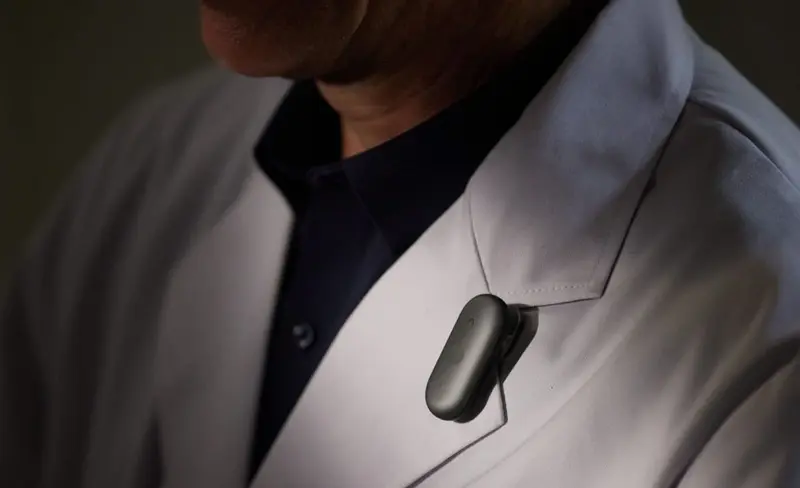
Plaud used CES 2026 to double down on AI-powered note-taking with the launch of the Plaud NotePin S and a new companion app – Plaud Desktop. Together, they’re designed to cover both in-person conversations and online meetings, giving users a more seamless way to capture, summarize, and revisit important moments wherever they happen.
Plaud NotePin S – retains the same sleek design as the original, but adds smarter capture features. The biggest upgrade is the instant-highlight button, which lets users mark key moments in real time so the AI knows what to prioritize in summaries and insights. Priced at $179, the NotePin S includes a free starter plan, with paid upgrades available for more minutes and features.
Plaud Desktop – a native desktop app that records online meetings on platforms like Zoom, Google Meet, and Microsoft Teams – without sending bots into calls. The app detects when a meeting starts and enables secure, real-time audio capture, with support for multimodal inputs like visuals and text. All recordings sync across the Plaud ecosystem, making it easy to access notes from the desktop app, mobile app, or web.
Acer at CES’26
Swift 16 AI and Swift Edge AI Laptops – Acer refreshed its Swift lineup with five new ultra-thin laptops focused on creators and professionals. The Swift 16 AI features a 16-inch 3K OLED touch display and what Acer calls the world’s largest haptic touchpad, supporting stylus input for sketching and creative workflows. The Swift Edge AI laptops come in 14-inch and 16-inch variants, weighing under 1 kg for the 14-inch model, and feature a 3K OLED displays with 120Hz refresh rates.
Mid-range Swift Go 14 AI and 16 AI models offer 2K or 3K displays with Intel Core Ultra X9 processors. All models include AI features via Microsoft Copilot. Pricing and release date have not been mentioned yet.
Predator Helios Neo 16S AI and Nitro V Gaming Laptops – Acer also unveiled new high-performance gaming laptops. The Predator Helios Neo 16S AI packs an Intel Core Ultra 9 CPU, Nvidia RTX 5070 Laptop GPU, up to 64GB RAM, 2TB storage, and a 16-inch OLED HDR display.
The Nitro V 16 AI and smaller Nitro V 16S AI offer Intel Core Ultra 7 processors, RTX 5070 GPUs, up to 32GB RAM, and up to 2TB storage, targeting gamers seeking a balance of performance and price.
Predator and Nitro Gaming Monitors – Acer introduced four new displays, including gaming and creator-focused monitors. The Predator XB273U F6 is a 2560×1440 27-inch monitor with a 500Hz refresh rate (up to 1000Hz at 720p) for $799.99. The Predator X34 F3 features a 3440×1440 curved QD-OLED panel at 360Hz for $1,199.99. The Nitro XV270X P is a 27-inch 5K monitor with a 330Hz refresh rate, priced at $799.99. For creators, the ProDesigner PE320QX delivers a 31.5-inch 6016×3384 display at 60Hz with 600-nit peak brightness.
Vero HL1820 4K RGB Laser Projector – Acer also showcased the Vero HL1820, a 4K laser projector capable of 1080p at 240Hz for gaming and full 4K cinema viewing. Currently, the projector is slated for release only in Europe, the Middle East, and Africa.
Predator ES Storm Pro E-Scooter – Expanding beyond PCs and displays, Acer introduced the Predator ES Storm Pro, a folding high-performance electric scooter for urban commuters. It features a 500W rear hub motor with up to 1,200W peak output, multiple riding modes, a 60 km range, and smart tag holders. This model is currently limited to Europe.
MSI at CES’26
Raider & Stealth Gaming Laptops – MSI unveiled its next-gen gaming lineup – Raider 16 Max HX, a 300W powerhouse delivering 175W to RTX 5090/5080 GPUs and 125W to Intel Core Ultra 200HX CPUs simultaneously. It features a triple-fan cooling system, six heat pipes, five exhaust vents, phase-change thermal compound, and a quick-access bottom panel for storage and memory upgrades. The Stealth 16 AI+ on the other hand prioritizes portability at just 16.6 mm thin and under 2 kg. MSI also revealed the Crosshair 16 Max HX and Crosshair 16 HX.
Prestige & Modern Business Laptops – MSI refreshed its Prestige 14 and 16 laptops with slimmer, rounded aluminum chassis, new CPU, and 81Wh batteries capable of 30+ hours of video playback. The Modern 14S and 16S series also received the new Intel Core Ultra chips for everyday use.
Claw 8AI+ Glacier Blue Handheld – MSI introduced a Glacier Blue edition of its handheld gaming console, powered by Intel Core Ultra 200V processors and Arc Xe2 graphics.
GeForce RTX 5090 Lightning Z Graphics Card – MSI revealed its new, record-breaking GPU with dual 12V-2×6 power connectors and a 1,000W load capacity. Limited to 1,300 units, it launches in February 2026.
MPG 341CQR QD-OLED X36 Monitor – This new MSI monitor features a 34-inch 3440×1440 QD-OLED panel with a 360Hz refresh rate, 1,300-nit peak brightness, and anti-reflective DarkArmor Film. OLED Care 3.0 AI detects presence and optimizes power/pixel refresh for longevity. It will be priced at $1,099.
EZgo Portable EV Charger – MSI launched the EZgo, a rugged, dual-voltage 9.6 kW portable EV charger compatible with NACS or SAE J1772 connectors. It supports 240V or 120V input, features a 25-foot cable, IP66-rated enclosure, thermal sensor protection, and a 1.8-inch display for real-time voltage/current/temperature. The aConnect app adds scheduling and multi-user control. It will be priced at $349.
Power Supplies and Motherboards – MSI previewed its MPG Ai1600TS PCIe 5 and MAG A1200PLS PCIe 5 power supplies (1000–1300W), designed with integrated protections and MSI Center logging. Additional showcases included the Unify X motherboard, 4Rank CU DIMMs, and the Pro Max ecosystem.
Infinix at CES’26
NOTE 60 Series with Global Satellite Connectivity – Infinix showcased a smartphone with global satellite communication, promising nearly two-thirds of Earth coverage for two-way HD voice calls and SMS at 4 kbps. The new phones lineup automatically switch between mobile networks and satellite connectivity, with support for speaker mode and Bluetooth headsets. This technology enables borderless connectivity for emergencies, remote travel, and outdoor adventures.
HydroFlow Liquid Cooling Architecture – Infinix introduced the first dual piezoelectric ceramic single-pump liquid cooling for smartphones. Circulating liquid at up to 6.5 ml/min and paired with a piezoelectric fan, it maintains stable performance under sustained workloads while remaining near-silent. This innovation targets gamers and power users who demand consistent performance without overheating.
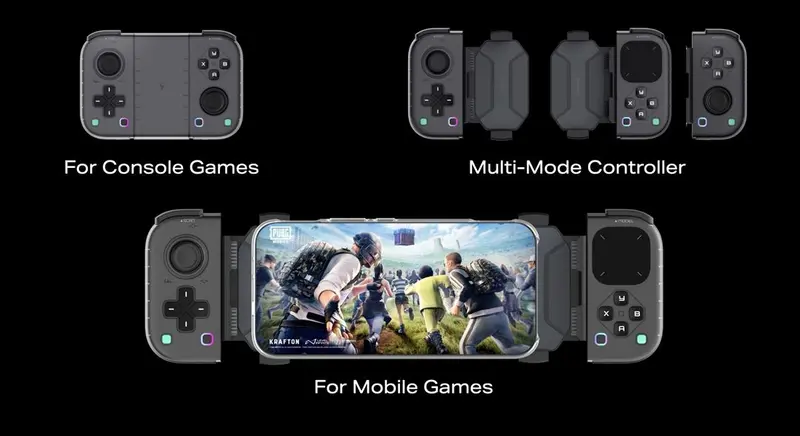
Gaming Accessories for Competitive Play – Complementing its performance hardware, Infinix unveiled a split controller with pressure-sensitive touchpads and wireless magnetic triggers with micro-switches, delivering ultra-low latency input.
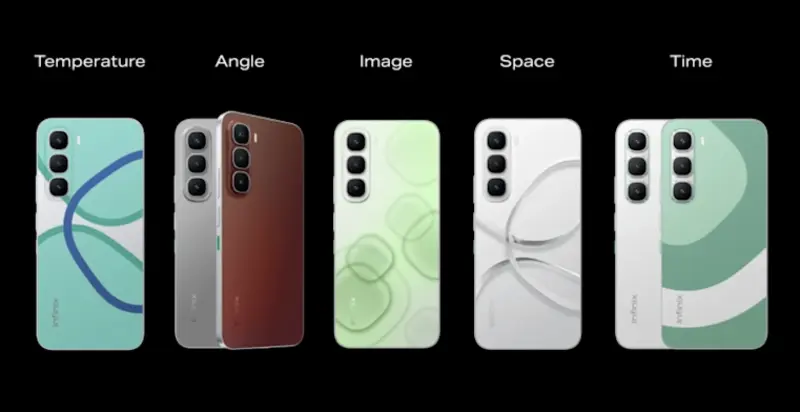
Active Visual Backplate Technology – Infinix opens new smartphone design possibilities using optical microstructures, thermochromic ink, and photochromic leather. The back panel can shift colors, display animations, and create subtle 3D visuals dynamically without extra power consumption, giving the smartphone a more expressive, interactive appearance.
AI ModuVerse Modular Ecosystem – The company also presented AI ModuVerse, a lineup of magnetic, AI-powered snap-on accessories, including microphones, sports cameras, translation tools, power modules, and AI vlog cameras.
IKEA at CES’26


Matter Smart Home Devices – IKEA debuted 21 new Matter-compatible smart home gadgets, including a $6 smart bulb, $8 smart plug, $6 smart remote, and a $15 globe bulb. The BILREA remote control is a standout, featuring two button configurations or a button-and-scroll wheel, plus a magnetic mount that attaches to any ferrous surface or wall. All devices work with IKEA’s DIRIGERA hub or any existing Matter hub. These new products will arrive in IKEA stores and online in January 2026.
Varmblixt Donut Smart Lamp – IKEA gave its viral donut lamp a smart makeover with the Varmblixt, designed with Sabine Marcelis. Available as a wall or table lamp for $99, it transitions automatically through 12 preset colors and offers over 40 shades with adjustable dimming via the IKEA Home Smart app. It will be available from April 2026.
Varmblixt Smart Pendant Light – The smart Varmblixt pendant light focuses on smoothly transitioning white light. Controlled via the included remote or integrated into a Matter-compatible smart home setup, this pendant light complements the rest of IKEA’s new smart offerings.
Razer at CES’26
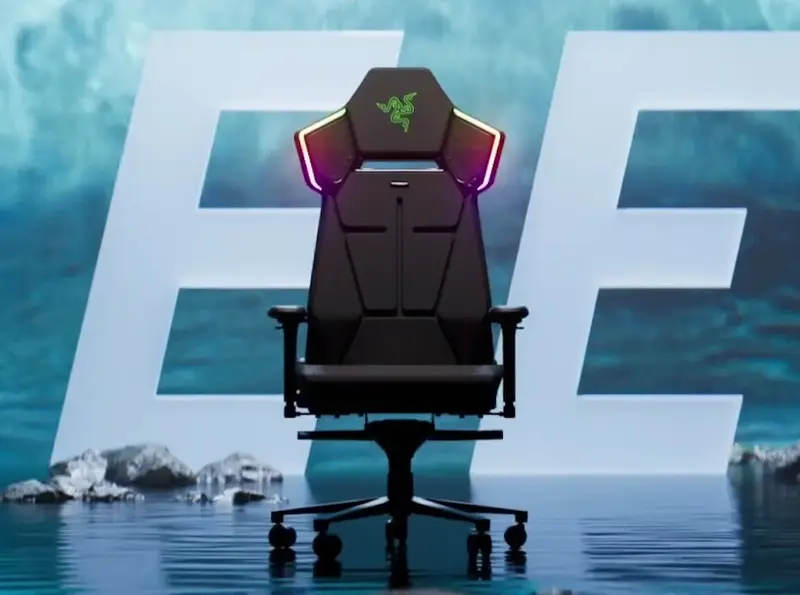
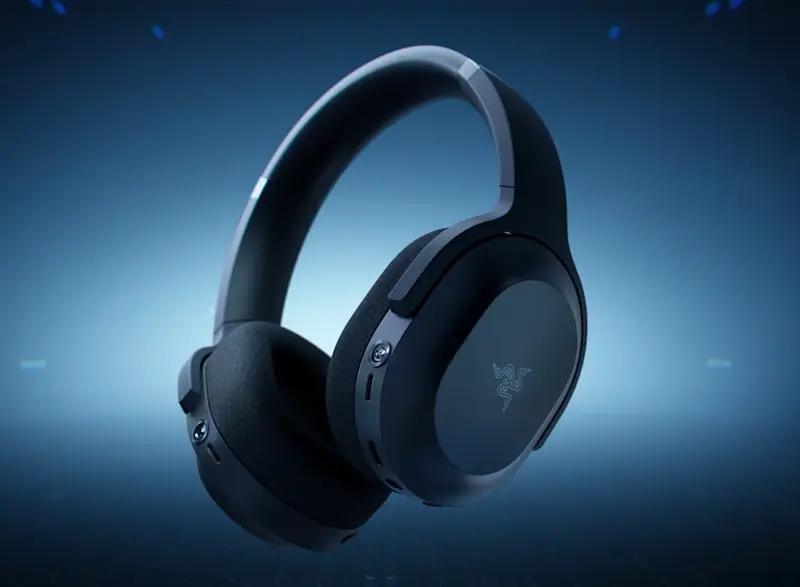
Razer Project Madison & Iskur V2 NewGen Chairs – Razer showcased Project Madison, a concept gaming chair with Chroma lighting, THX Spatial Audio, and multi-zone haptics, creating a full-body in-game experience. For buyers, the company updated its Iskur V2 lineup with Gen-2 CoolTouch leather and improved lumbar support. The Iskur V2 NewGen is priced at $650, while the budget X version costs $350, with preorders open now.
Razer Project Motoko AI Headset – This is a new concept AI-powered wearable headset featuring eye-level cameras for real-time object and text recognition, environmental audio capture, and integration with Grok, OpenAI, and Gemini. Razer plans a dev-kit release first, with full retail availability to follow.
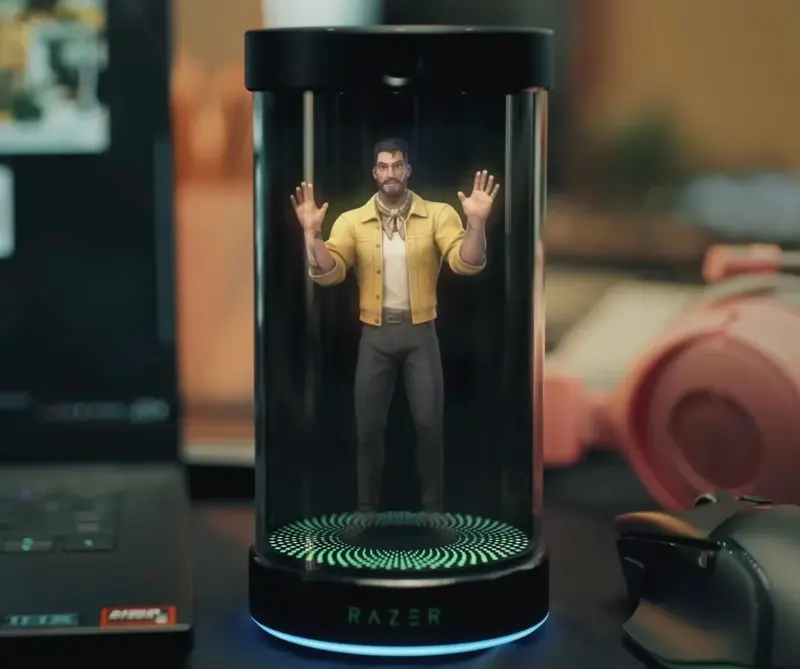
Razer Project AVA AI Desk Companion – Project AVA is a 5.5-inch holographic AI assistant for gaming and productivity. Equipped with chroma RGB, an HD camera, and dual mics, it currently runs on Grok AI and supports multiple avatars. AVA provides strategy coaching, multi-language translation, and wellness tracking, and is slated for release in the 2nd half of 2026.
WheelMove at CES’26
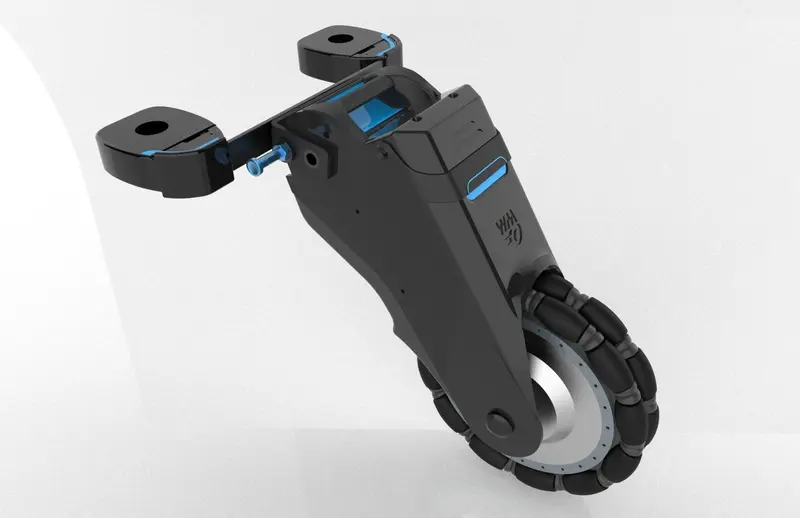
WheelMove debuted a portable device that turns any standard wheelchair into an electric one at CES 2026. The attachment lifts the front wheels, uses a 250W motor, and provides up to 15 miles of range, while riders control it via a simple remote.
TDM at CES’26
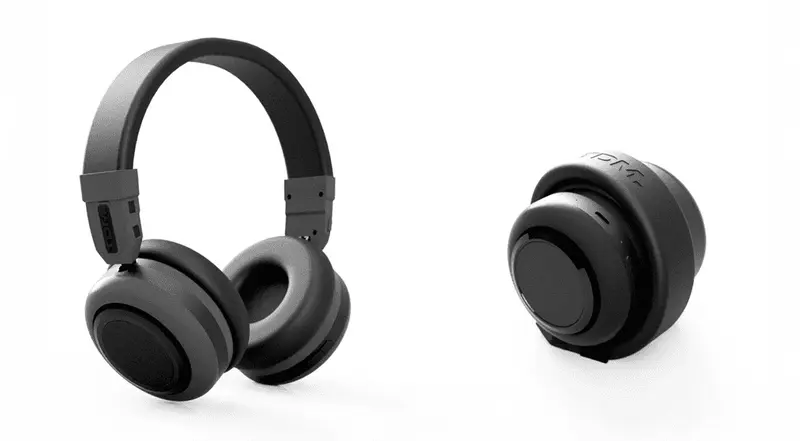
TDM introduced the Neo headphones, which twist into a super compact Bluetooth speaker. The innovative modular design combines four 40mm drivers, dual amplifiers, and a removable battery lasting 200 hours in headphone mode or 10 hours as a speaker.
Pebble at CES’26
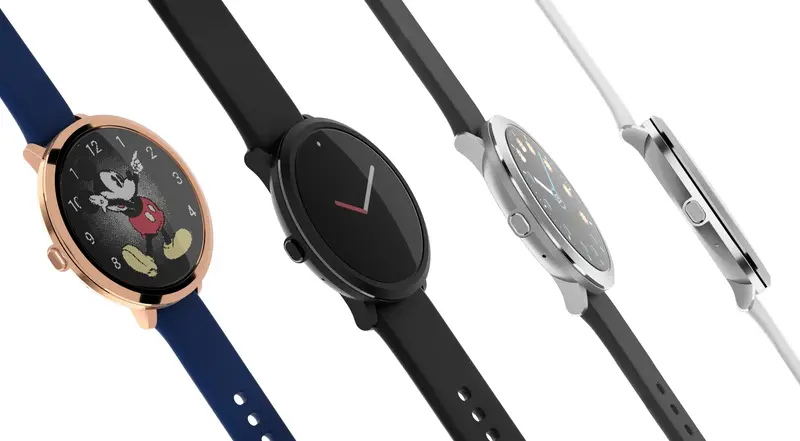
Pebble Round 2 Smartwatch – Pebble announced the Round 2, a modern revival of the Pebble Time Round from 2015 with a 1.3-inch color e-paper touchscreen that now fills the entire watch face. The new display offers 260×260 resolution at 283 DPI, double that of the original. Running open-source PebbleOS, it works with both iOS and Android and includes dual microphones for voice replies, though it skips heart-rate tracking and GPS. Shipping begins in May 2026, while preorders start now for $199.
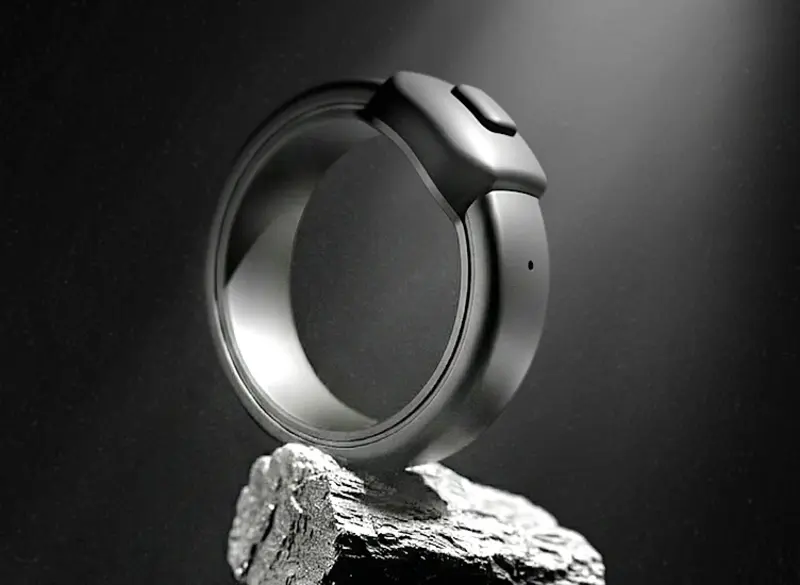
Pebble Index 01 Smart Ring – Pebble also showcased a minimalist smart ring designed for one-button voice notes and reminders rather than health tracking. Press and hold the ring to record quick thoughts, which sync to the Pebble app and can integrate with calendars and to-do lists. The ring features a sealed battery rated for up to two years. The Pebble Index 01 is priced at $75 and is expected to ship in 2026.
SKWheel at CES’26

Skwheel introduced the Peak and Peak S, billed as the world’s first electric skis. The standard Peak is designed for pavement and urban riding, reaching speeds of up to 20 mph, while the Peak S targets all-terrain use with top speeds just under 40 mph. Both models use a handheld remote for speed and braking control and can be clipped together into a compact carrying case. Preorders are open, with discounted pricing starting at $1,160 for Peak and $1,746 for Peak S (current pricing is only for preorders).
Displace at CES’26
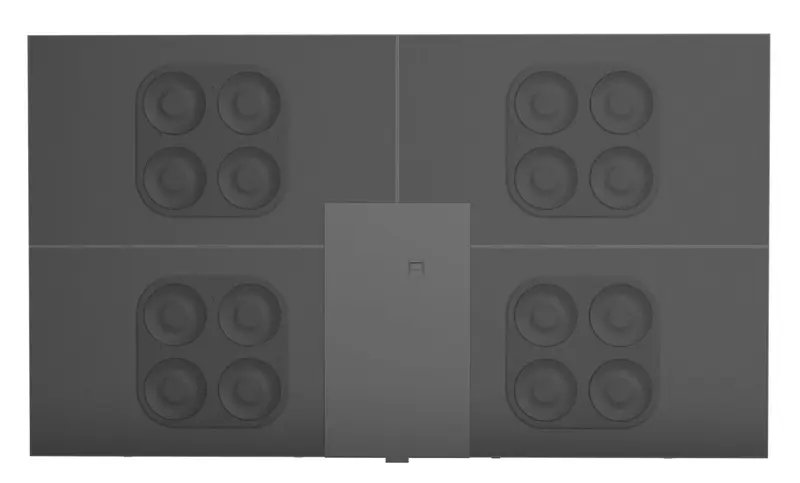
Displace unveiled the Displace Wall, a fully wireless, modular OLED TV system that mounts directly to walls using motorized suction cups, eliminating screws, brackets, or visible cables. Available in 110-inch 4K for $39,999 and 130-inch for $59,999.
SunLED Life Science at CES’26
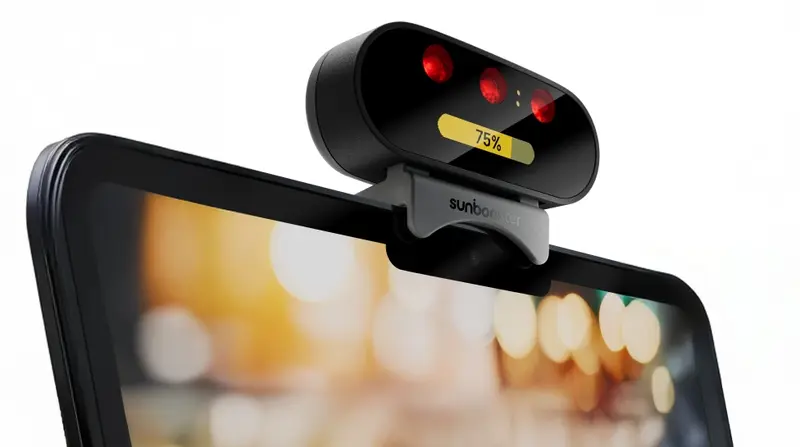
SunLED Life Science introduced SunBooster, a clip-on, webcam-sized device that delivers near-infrared (NIR) light above your screen to support energy and mood during long indoor work sessions. The device tracks daily exposure on a built-in display and automatically shuts off once the recommended dose is reached. SunBooster avoids UV light entirely and is positioned as a wellness accessory rather than a medical device. It will launch in the US in April 2026 for $249.
Doublepoint at CES’26
Doublepoint announced its $249 Developer Kit, a wearable reference platform for building wrist-based microgesture controls like taps, pinches, and swipes using standard sensors. Powered by Ambiq’s Apollo510 SoC, it supports always-on gesture recognition with minimal battery impact and will start shipping in Q2 2026. Alongside it, Doublepoint launched WowPlay, a freemium WearOS and Android app that lets users control media with simple wrist gestures.
NuraLogix at CES’26

NuraLogix debuted its AI-powered “Longevity Mirror”, an innovative contactless wellness device that delivers a 30-second facial scan to analyze over 100 health indicators and estimate long-term health risks up to 20 years ahead. Using Transdermal Optical Imaging and trained AI models, it generates a clear Longevity Index score and personalized lifestyle guidance via an integrated AI Health Assistant. Designed for home use with up to six user profiles, expected to arrive by the end of 2026.
AI Barmen at CES’26
The AI Barmen debuted at CES 2026 as an AI-powered cocktail machine designed to behave like a real bartender. It uses facial scanning for age estimation, automatically switching to non-alcoholic drinks for underage users, and supports conversational ordering based on mood, flavor preferences, and past visits. The system can generate custom cocktails, explain its choices in real time, recognize returning guests, and even slow or stop service if it detects over-ordering.
Chamelo at CES’26
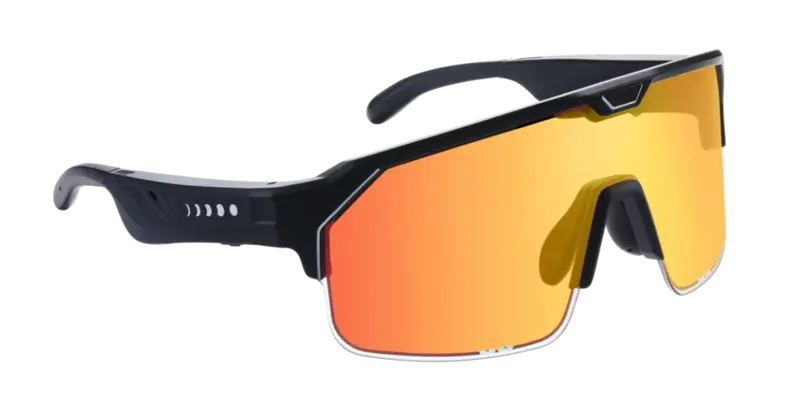
Chamelo showcased its Aroza smart goggles, featuring electronic tint control that switches between three light levels in 0.1 seconds, far faster than photochromic lenses. Goggles offer up to 50 hours of use per charge with full UV protection. Beyond skiing, Chamelo expanded into wellness and lifestyle eyewear, including blue-light-blocking lenses, golf-specific contrast lenses, and audio-integrated smart frames for runners and cyclists.
Haining Toall at CES’26
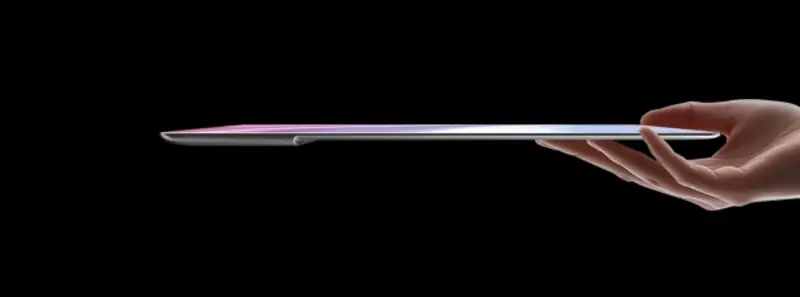
The Chinese company Haining Toall Technology unveiled the slimmest tablet in the world! Paper tablet is an Android-based slate measuring just 3.1mm thick, making it significantly thinner than current premium tablets. The 13.2-inch AMOLED display features a 2872 × 1920 resolution, 120Hz refresh rate, and 262 ppi, while most internal components are concentrated in a rear grip-style module housing the battery and ports. The Paper weighs 400g and packs a 5,000mAh battery.
Dreame at CES’26
Cyber X Stair-Climbing Robot Vacuum – Dreame showcased the Cyber X, a research prototype designed to transport a robot vacuum up and down full flights of stairs. Using a quad-leg, tracked chassis, the system can climb steps up to 25cm (9.8 inches) at a controlled pace. But for now, it remains a prototype with no release timeline.
X60 Max Ultra Complete Robot Vacuum – Dreame’s latest flagship robot vacuum focuses on ultra-thin design and smarter navigation. Measuring just 7.95cm tall, it uses a retractable LiDAR system for low-clearance cleaning, clears small thresholds up to 8.8cm, and pairs with a premium dock featuring 212°F(100°C) mop self-cleaning. Pricing starts at $1,699.
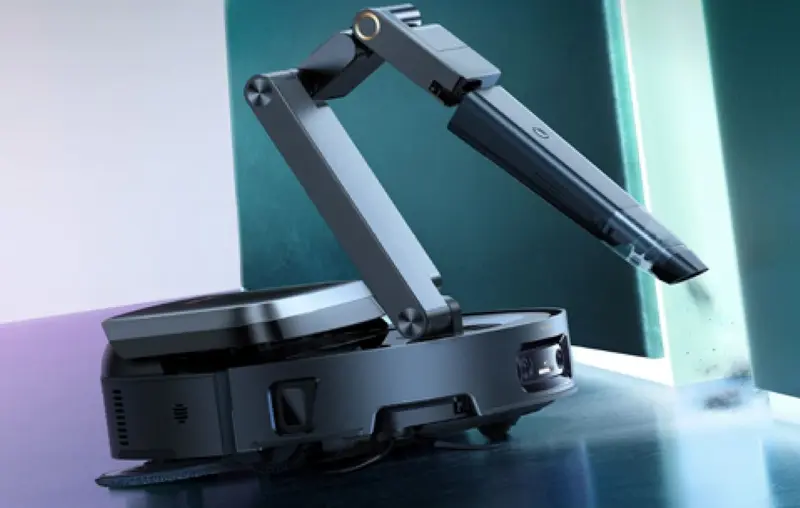
Cyber10 Ultra Robot Vacuum Concept – The Cyber10 Ultra is a direct answer to Roborock’s Saros Z70, taking cleaning to the next level with a robotic arm capable of lifting clutter and swapping cleaning tools from its base station.
H15 Pro Heat Wet/Dry Vacuum – Dreame’s most powerful wet/dry cleaner uses 185°F hot water for deep stain removal, paired with AI-assisted edge cleaning and a dock that washes and dries the roller at high temperatures. It targets heavy-duty kitchen and hard-floor messes over lightweight convenience.
Aero Series Wet/Dry Vacuums – The new Aero and Aero Pro models focus on slimmer, lighter designs for everyday cleaning. They combine vacuuming and mopping in one pass, with up to 25,000Pa suction, lie-flat cleaning, and simplified self-cleaning docks.
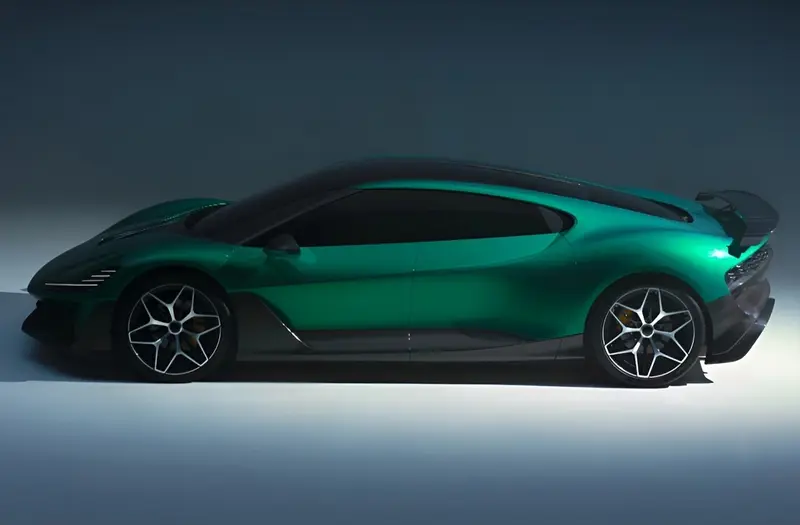
Nebula 1 Electric Sports Car Concept – Dreame surprised CES with its first concept vehicle, the Nebula 1, a four-door electric sports car featuring four motors, 1,876 hp, and a 0–100 km/h time of 1.8 seconds. While still a concept, Dreame says its first production car is planned for 2027.
Expanding Ecosystem With New Products – Dreame also previewed products across action cameras, smart rings, smart glasses, air conditioners, refrigerators, and kitchen appliances, signaling an ambitious push toward a connected whole-home ecosystem well beyond robot vacuums.
Ecovacs at CES’26
DEEBOT T90 PRO OMNI & X12 Family – ECOVACS introduced its next-generation flagship robot vacuums powered by OZMO ROLLER 3.0 self-washing mopping. The new 26cm roller boosts coverage and efficiency, while pressurized self-washing with 16 nozzles targets embedded dirt. The new models add FocusJet stain pre-dissolving, infrared detection, and faster charging for cleaning up to 1,000 m² in a single run.
ULTRAMARINE Robotic Pool Cleaner – Marking its first entry into pool maintenance, ECOVACS unveiled ULTRAMARINE, a robotic pool cleaner designed to handle floors, walls, and waterlines with intelligent navigation and high-efficiency filtration. It extends ECOVACS’ robotics expertise outdoors, turning pool cleaning into a hands-free experience.
GOAT A & GOAT O Robotic Lawn Mowers – ECOVACS refreshed its lawn care lineup with upgraded GOAT models featuring the industry’s first AI-enhanced TruEdge Trimmer, combining mowing and edge trimming in one autonomous process. The HoloScope 360 Dual-LiDAR system enables setup in under a minute with centimeter-level accuracy, even at night.
WINBOT W3 OMNI Window Cleaner – The latest WINBOT introduces a new OMNI multifunction station with Vortex Wash, automatically cleaning the wiping pads to eliminate manual cloth handling. Improved suction, edge coverage, and safety systems push window cleaning closer to full automation.
LilMilo Robotic Pet Companion – ECOVACS also debuted LilMilo, its first emotional companion robot. Designed like a small dog, LilMilo uses cameras, microphones, and AI learning to recognize owners, respond to touch and voice, and develop a unique personality over time – aimed at companionship rather than cleaning.
All the details included in the article are based on official press releases and keynotes by the companies!
Our Editorial Process
This article was created by the TrendsPlace editorial team.
We only use AI tools to assist with drafting and efficiency, while all content is researched, reviewed, edited, and finalized by humans to ensure accuracy and quality.
![Apple Comes With Tons of New Gadgets [New Macbooks, iPads, Studios, etc]](https://trendsplace.tech/wp-content/uploads/2026/03/new-apple-devices-spring-event.webp)